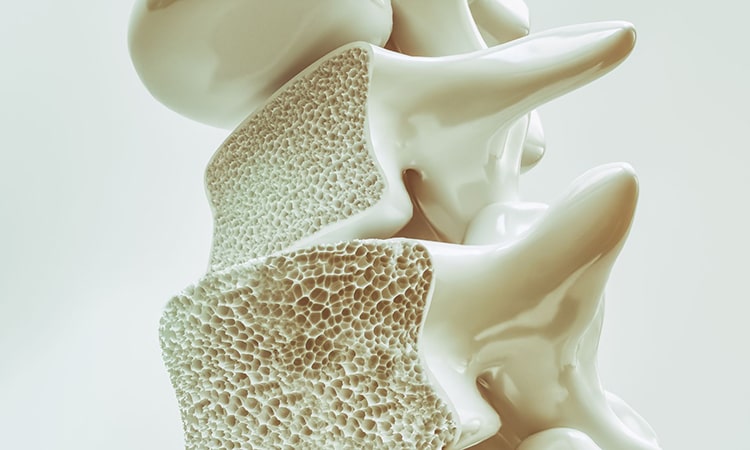
FREQUENTLY ASKED QUESTIONS (FAQ) ABOUT OSTEOPOROSIS

Women, especially after menopause, are at greater risk of developing it due to the decrease in estrogen, a hormone that helps protect bone density.

The risk increases significantly after age 50, but bone loss can begin earlier, as early as age 30. That’s why prevention from a young age is key.

Osteoporosis can be diagnosed using various methodologies:

  • Individual study of risk factors, highlighting the history of unexpected fractures, family history, certain treatments, concomitant pathologies, etc. (using tools such as FRAX)
  • Screening techniques, such as localization of pain areas and Ultrasonic Densitometry of the Calcaneus (DUC)
  • Using bone densitometry (DEXA), a painless test that measures bone mineral density.

It depends on each person’s diet and individual needs. In these cases, it’s best to consult a doctor to establish the appropriate guidelines.

They’re not essential, but they are one of the most efficient sources of calcium. If you don’t consume dairy due to intolerance or allergy, you can obtain these nutrients from yogurt and cheese, as well as from leafy green vegetables, nuts, and oily fish, among other sources. Nutritional supplementation may also be considered.

It has no cure, but with appropriate treatment (pharmacological and non-pharmacological) its progression can be slowed and the risk of fractures reduced.

Yes, having close relatives (mother, grandmother) with osteoporosis increases the risk. However, healthy lifestyle habits (diet, exercise) can help slow its progression.

Excessive caffeine can interfere with calcium absorption. It is recommended to consume this beverage in moderation and ensure adequate calcium intake.

Both tobacco and alcohol harm bone health by interfering with bone formation, reducing calcium and vitamin D absorption, and disrupting hormonal balance. Furthermore, alcohol increases the risk of falls, and tobacco reduces blood flow to the bones, hindering bone regeneration.

It is not common, but it can occur in young women due to eating disorders, amenorrhea and hormonal imbalances, certain diseases, prolonged use of corticosteroids or other treatments, or certain temporary stages such as pregnancy and breastfeeding, among others.

It depends on the location and skin type. In areas with little sunlight or when using high SPF sunscreen, supplementation may be beneficial, always after a medical assessment.

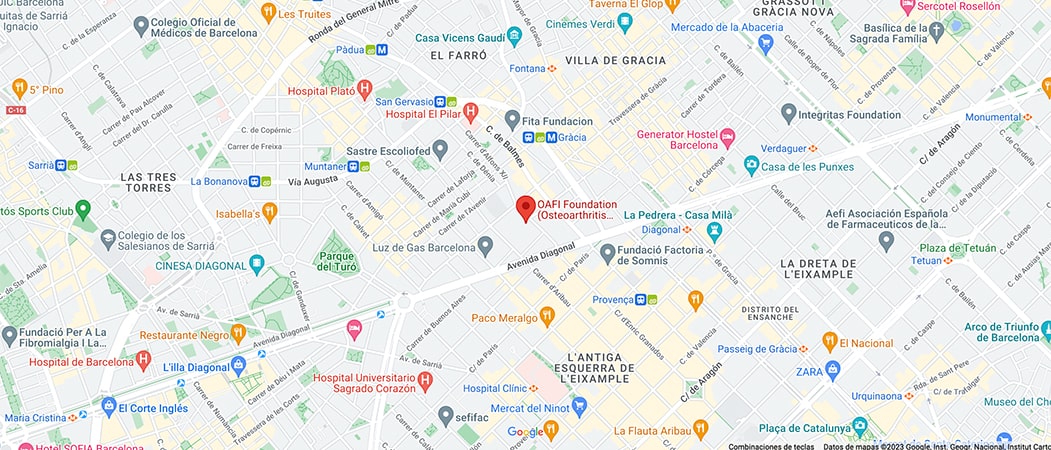
At the Solidarity Clinic, we can assist you and include you in one of our campaigns. If you or someone you know is in this situation, please don’t hesitate to contact us.

Tel.: 931594015 / info@oafifoundation.com

We will be happy to assist you!

Send us your inquiry