






















SPORT AND OSTEOPOROSIS
Sport and joint health
Regular physical exercise has numerous health benefits. Movement strengthens muscles, improves coordination, and promotes bone density, thus contributing to the prevention of musculoskeletal diseases. However, when training becomes excessive or is not accompanied by adequate nutrition, especially in young women, it can compromise joint, hormonal, and bone health.
One of the most relevant syndromes in this context is the Female Athlete Triad, a condition that puts the athlete's health at risk and can have serious consequences if it is not identified and treated in time.
What is the Female Athlete Triad?
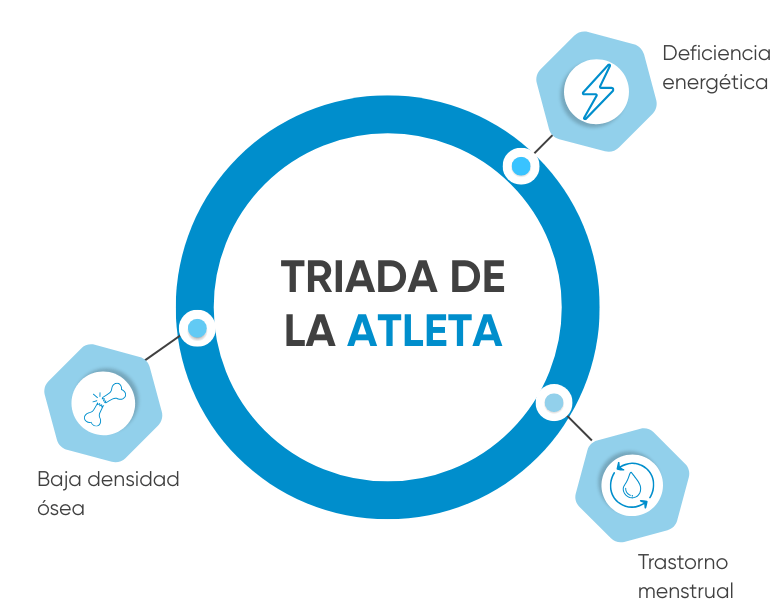
The Female Athlete Triad is a medical syndrome that primarily affects women who participate in sports that emphasize thinness or high physical performance, such as artistic gymnastics, long-distance running, or dance, among others.
This syndrome is characterized by the interaction of three main components:
1
Energy and nutritional deficit
It occurs when calorie intake does not meet the energy expenditure of training. This can be due to extreme or poorly balanced diets, or even eating disorders such as anorexia or bulimia. Pressure to maintain a low body weight also plays a role.
2
Menstrual irregularities
A lack of nutrients, combined with intense exercise and stress, disrupts hormonal balance. This can lead to irregular periods or even the complete absence of menstruation (amenorrhea).
3
Low bone density
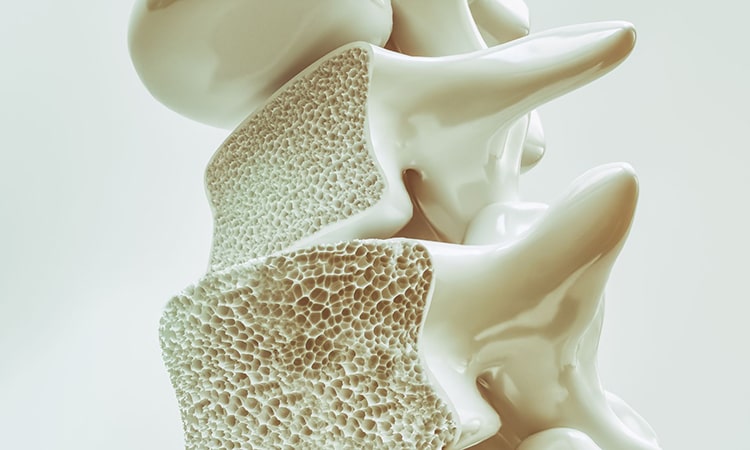
Hormonal imbalances and poor nutrition negatively affect bone health, increasing the risk of osteopenia and even osteoporosis, with greater susceptibility to stress fractures.
Symptoms
This syndrome often progresses silently until physical and functional consequences appear. Some warning signs may include:
- Stress fractures (especially in feet, hips, ankles, or knees)
- Ligament injuries (such as anterior cruciate ligament – ACL) and fasciitis
- Persistent pain in limbs, bunions, or pelvic area
- Pelvic floor dysfunctions (such as pain in the genital area or difficulty retaining urine)
- Chronic hormonal imbalances, which can lead to infertility
- In the medium and long term, a negative impact on athletic performance and general health
If you suspect anything, remember to always consult your doctor.
Treatment and prevention
The approach should be multidisciplinary, including medical, nutritional, and psychological care.
Prevention and education are key to avoiding the development of the Triad and promoting healthy sports practices. Some recommendations:
- Promote a balanced diet appropriate to the level of physical activity
- To moderate competitive pressure and promote a healthy approach to sport
- Expanding social connections beyond the sporting environment
- Avoid training in unsuitable physical conditions (injury, illness, or extreme fatigue)
#OAFIRADIO | CARBOHYDRATES:
WHY ARE WE AFRAID OF THEM? SPORTS NUTRITION AND WOMEN
#ARTICULANDO25 | ATHLETE'S TRIAD:
HOW TO PREVENT FRACTURES?
Help us improve the quality of life of Osteoarthritis patients.
BECOME A PARTNER
Help us improve the quality of life of osteoarthritis patients by becoming a partner.
BECOME A VOLUNTEER
The patient is the reason for being OAFI, become a volunteer and help us improve their quality of life.
MAKE A DONATION
Your help is very important to us, with it we can finance our founding work.

CONTACT
-
C/ Tuset, 19 · 3º 2ª
08006 Barcelona - (+34) 931 594 015
- info@oafifoundation.com
-
From Monday to Thursday
from 9AM to 6PM
Friday from 8AM to 3PM
The Foundation
Other Links

The OAFI mascot, called OAFITO, was created exclusively and altruistically by the artist Xavier Mariscal.