















The 10th OAFI World Congress brings together more than 400 people in Barcelona
More than 30 experts, researchers, representatives from regulatory bodies and patients took part in #OAFICongress26, an event dedicated to prevention, women’s bone health and the new challenges in the treatment of osteoarthritis, osteoporosis and sarcopenia.
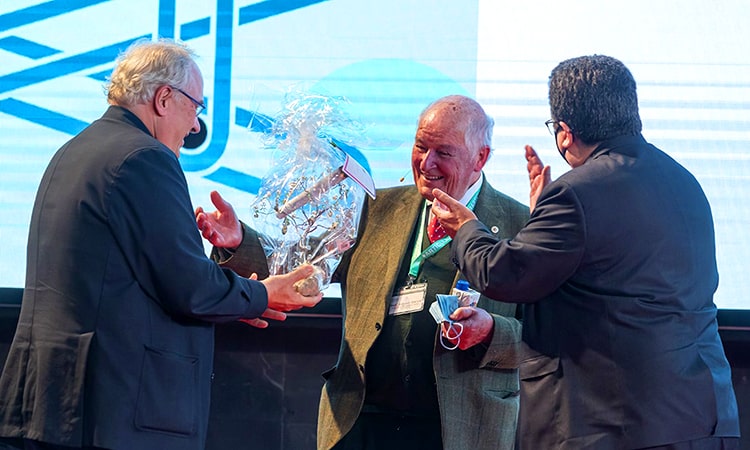
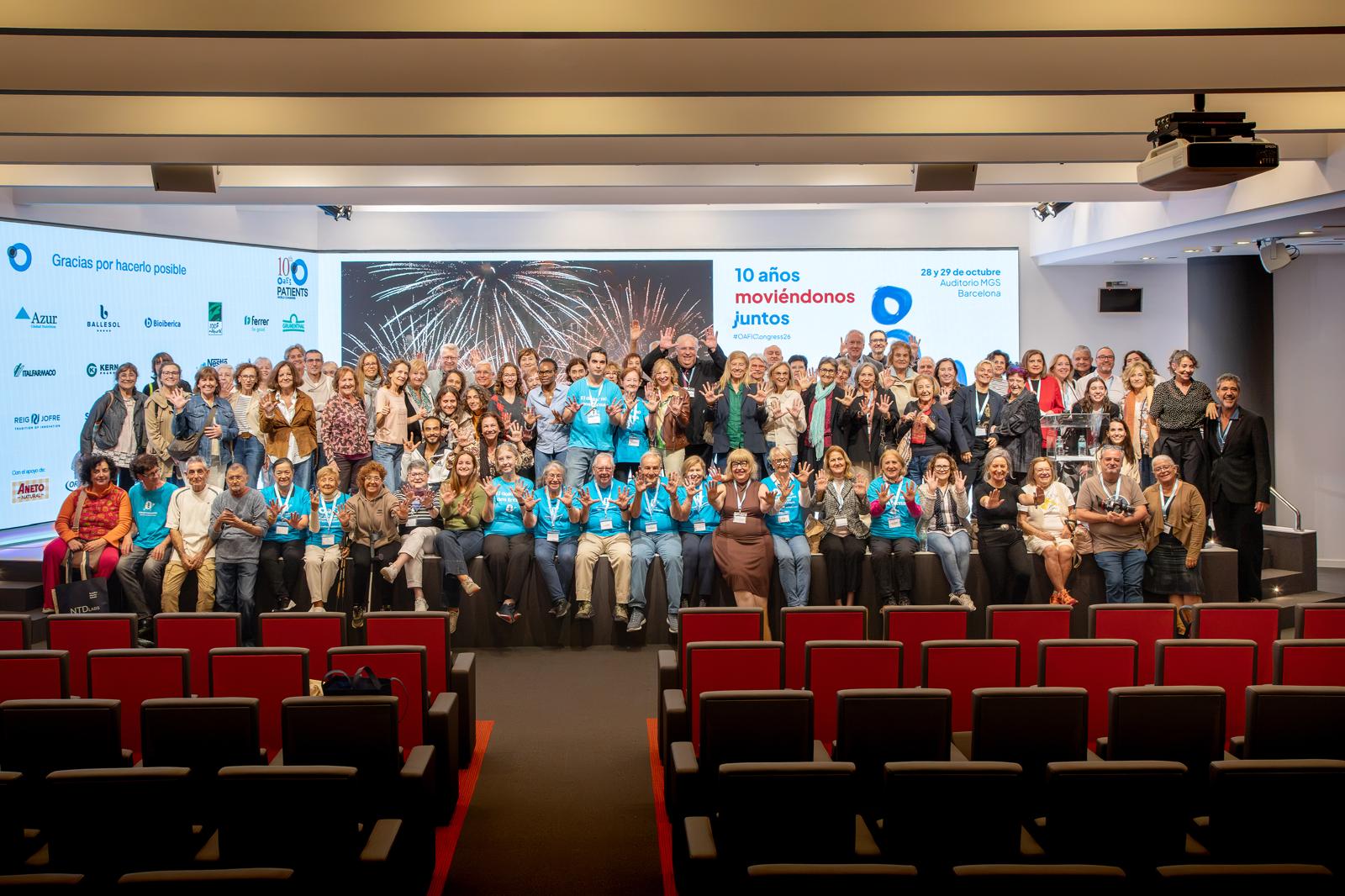
Barcelona, November 2026. The Osteoarthritis Foundation International (OAFI) On 28 and 29 October, it held the tenth edition of its World Patients’ Congress, bringing together more than 400 people at the MGS Auditorium in Barcelona. Under the slogan ‘10 years moving forward together’, the #OAFICongress26 once again served as a meeting place for patients, healthcare professionals, researchers, scientific societies and institutional representatives.
Over the course of two days, more than 30 speakers addressed some of the key challenges in osteoarticular health: from fracture prevention and the impact of the menopause to advances in the treatment of osteoarthritis, regenerative medicine, chronic pain, nutrition and muscle mass loss.
The congress was endorsed by the Spanish Society for Quality in Healthcare (SECA), the Spanish Multidisciplinary Society for Pain (SEMDOR), the Spanish Society of Primary Care Physicians (SEMERGEN) and the Spanish Society of General Practitioners and Family Doctors (SEMG).
10th Congress: A decade of commitment to patients
Since its inception in 2016, OAFI has been working to transform the way we understand and tackle osteoarticular diseases, by promoting education, prevention, research and the active involvement of people living with these conditions.
Ten years on, the World Patients’ Congress stands as one of the key manifestations of this commitment: bringing scientific knowledge to the public, facilitating direct dialogue with specialists and helping to ensure that patients have the tools to make informed decisions about their health.
Dr Josep Vergés Milano, president of OAFI and scientific coordinator of the conference highlighted the significance of this year’s event:
‘Ten years on, seeing the auditorium full of patients who have come to ask questions, to learn and to look after their health is the best proof that this conference serves a purpose. An informed patient makes better decisions about their health and receives a diagnosis sooner, and that is what we want to continue to promote.’
This philosophy has guided OAFI throughout its history: patients should not merely be recipients of treatment, but protagonists of their own health and active participants in the decisions that affect them.
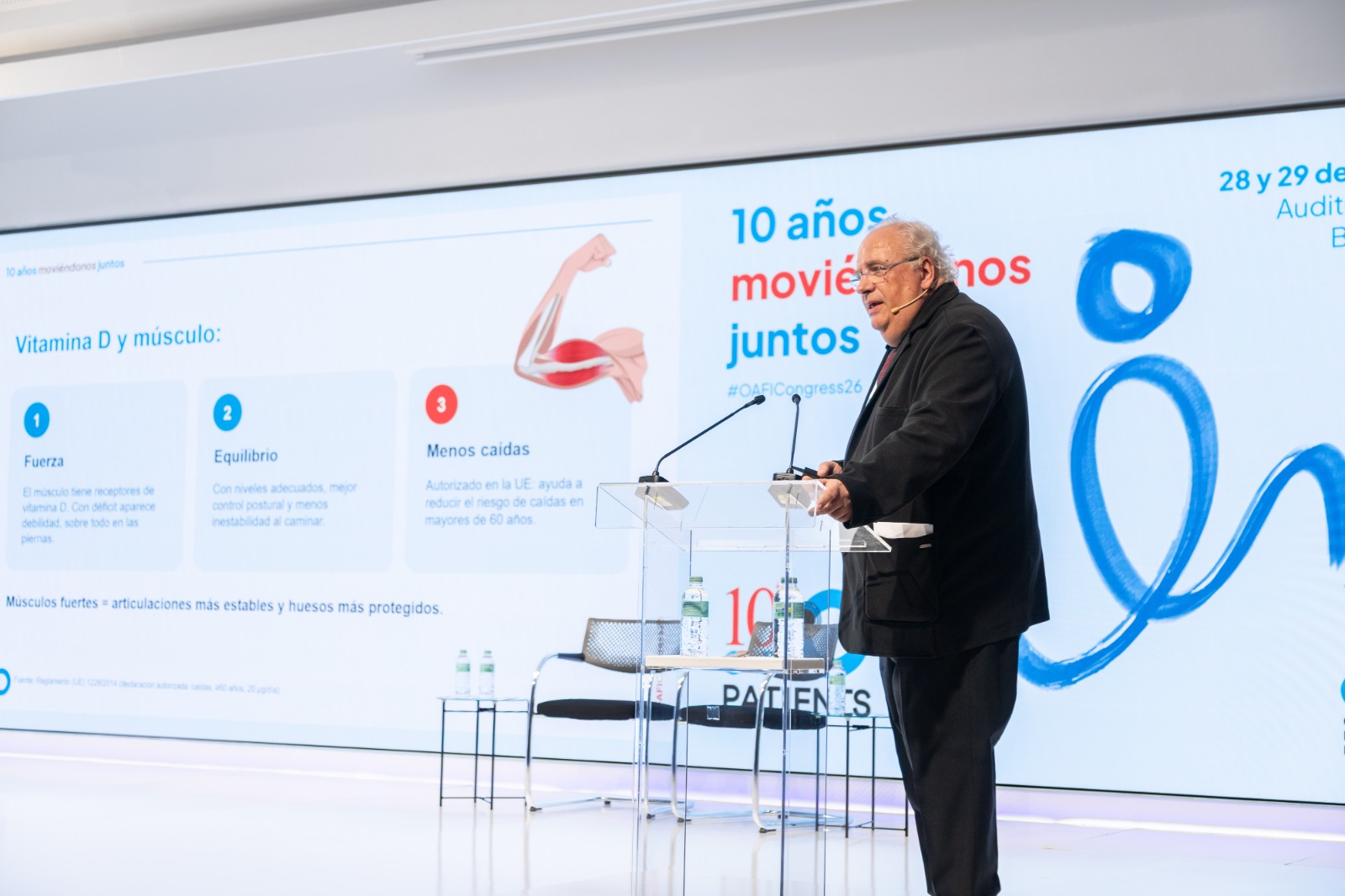
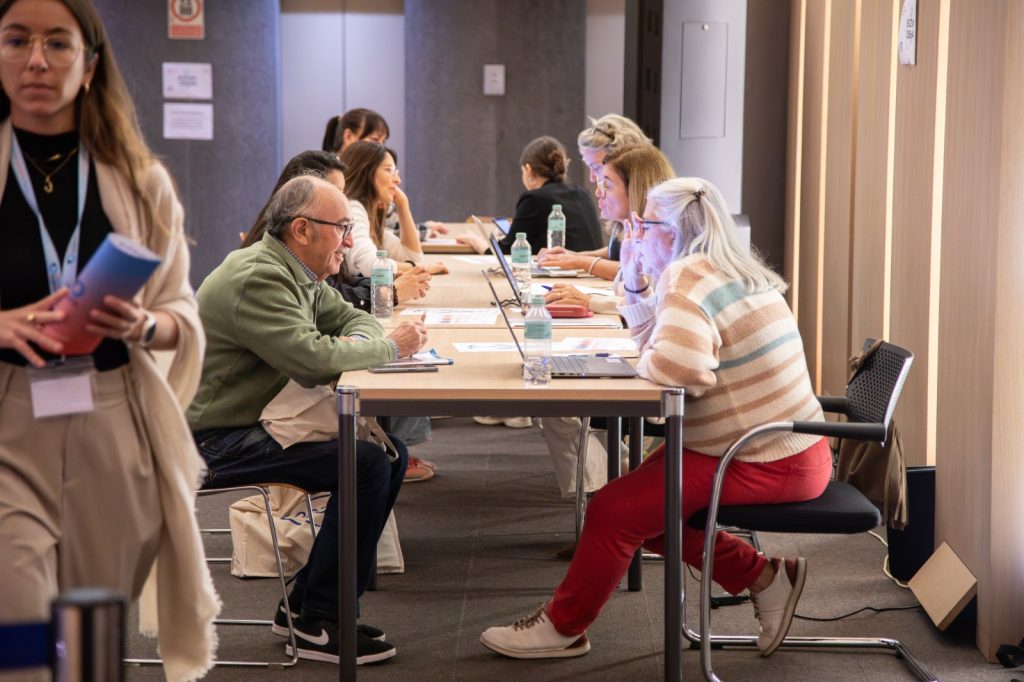
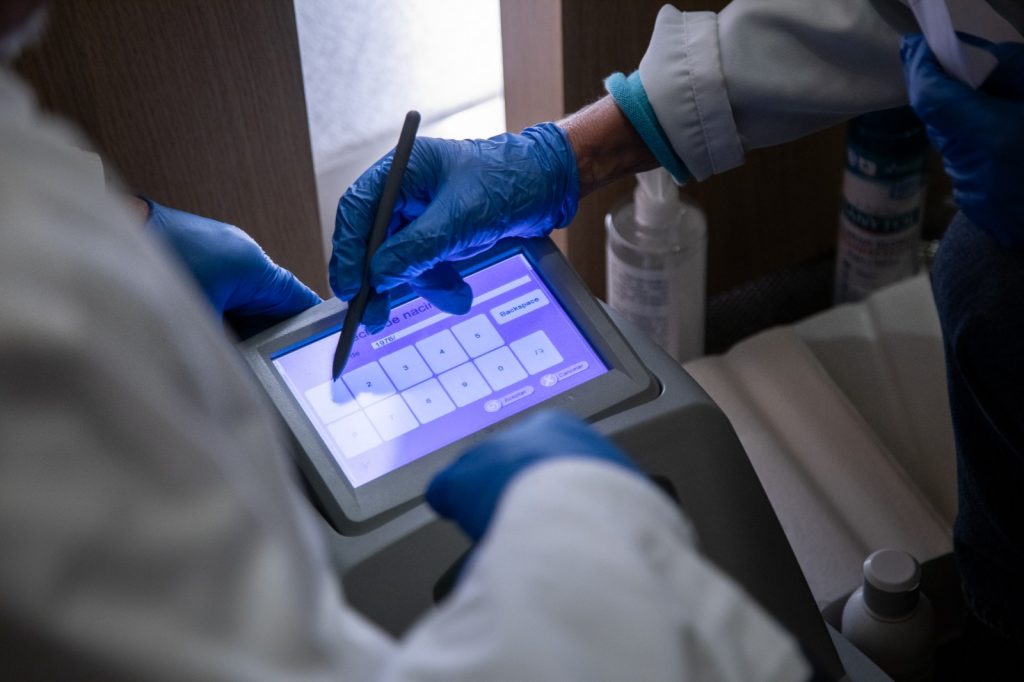
More than 170 people had their bone and joint health assessed free of charge at the 10th Congress
One of the highlights of the conference was the tour of the Campaign to Prevent Osteoarthritis and Osteoporosis from OAFI, installed in the auditorium itself thanks to the support of Grünenthal and Sandoz.
Over the two days, more than 170 people took part in the free assessments, which included bone mineral density measurements, muscle strength tests, pain assessments and anthropometric data.
These tests help to identify potential warning signs and refer people for a more comprehensive medical assessment where necessary. They are not a substitute for clinical diagnosis, but they are a particularly valuable tool for raising awareness and detecting risk in conditions that can progress over many years without obvious symptoms.
The initiative forms part of a travelling campaign through which OAFI brings prevention services to local authorities and communities that may face greater difficulties in accessing certain tests.
Prior to this edition, the campaign had assessed more than 850 people in Catalonia and Madrid and had detected a previously unknown risk of osteopenia or osteoporosis in 70 per cent of cases. Added to these were the more than 170 people assessed during the congress.
These figures highlight one of the major challenges in osteoarticular health: identifying risk factors before complications arise that could compromise mobility, independence and quality of life.
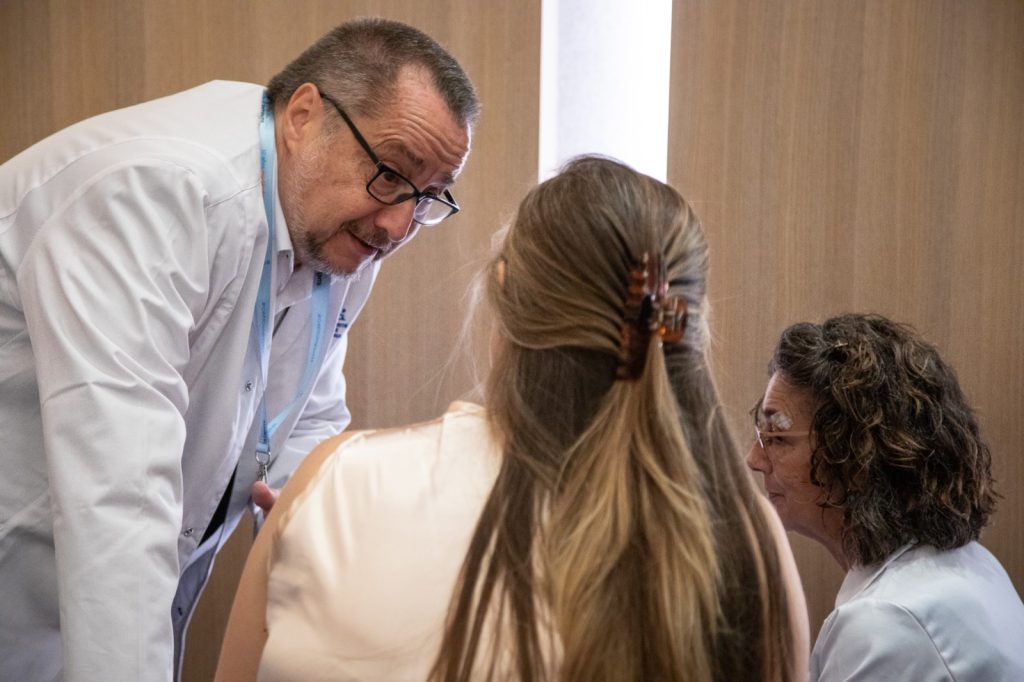
Menopause and osteoporosis: women’s bone health takes centre stage
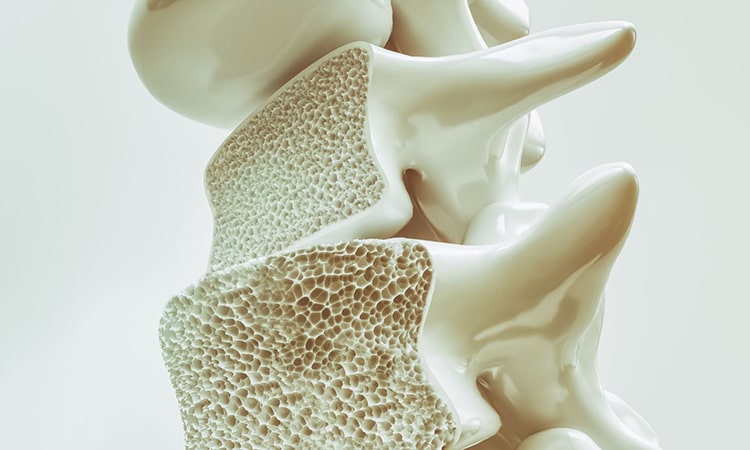
Women’s health took centre stage at this tenth edition. In Spain, nearly three million people live with osteoporosis, and 79.2 per cent of them are women, according to figures cited in the conference proceedings. From the age of 50 onwards, one in three women will suffer an osteoporotic fracture during their lifetime.
Added to this is a worrying reality: a significant proportion of diagnoses are made only after a fracture has occurred, and many women who have already suffered a fragility fracture do not receive treatment.
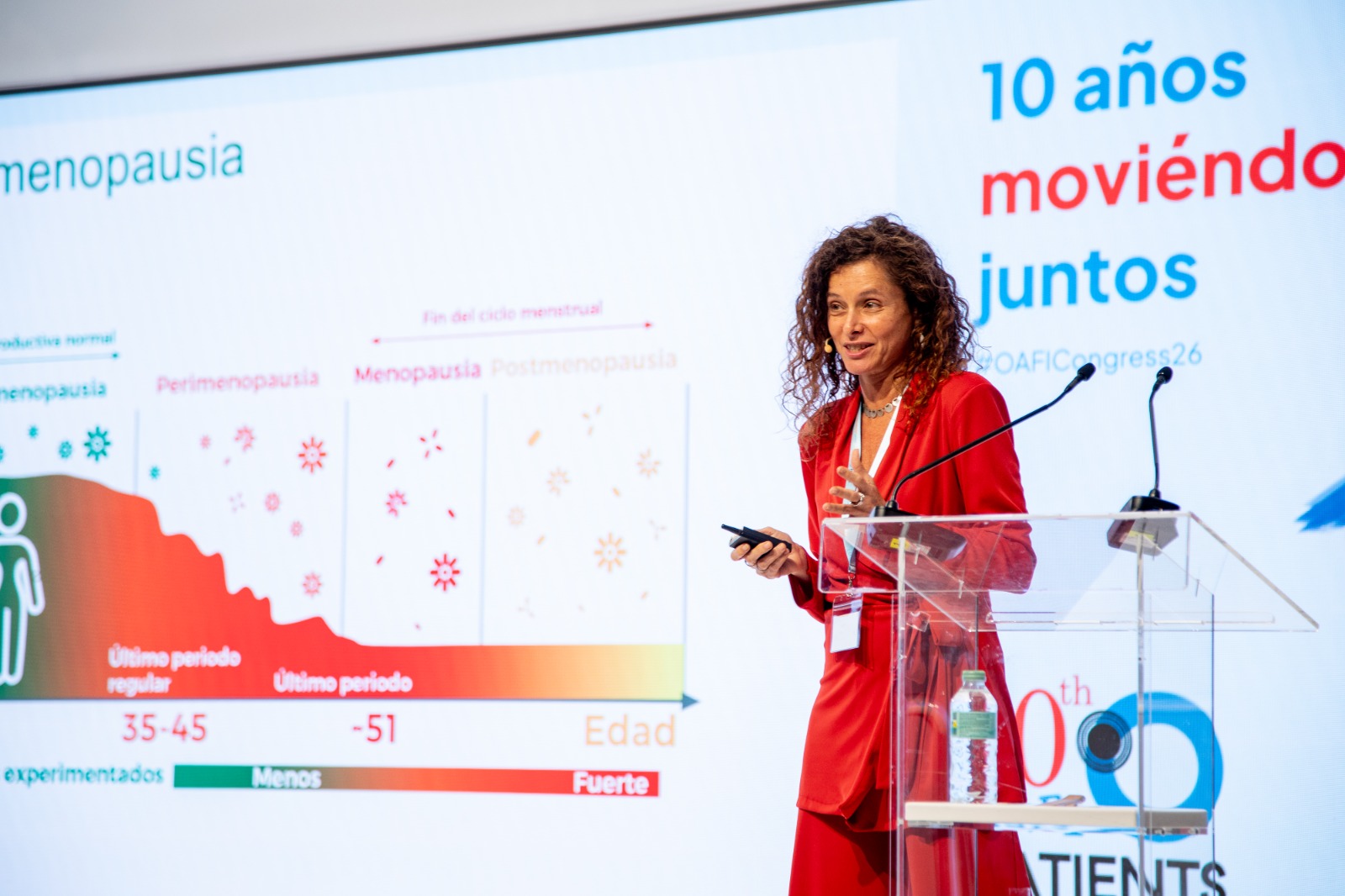
The menopause is a particularly significant stage for bone health. The decline in oestrogen accelerates bone loss, especially during the first few years following the last menstrual period, and can increase the risk of osteoporosis and fractures.
In this context, Dr Elisa Llurba, head of the Obstetrics and Gynaecology Department at the Hospital de la Santa Creu i Sant Pau, She gave a talk entitled ‘Menopause and bone health: prevent today to avoid fractures tomorrow’.
Her presentation at the 10th Congress highlighted the need to pay attention to bone health during the menopausal transition and not to wait until a fracture occurs before taking action.
This perspective ties in with the OAFI blog post «Looking on the bright side of the menopause», by Dr Marina Geli, on knowledge, self-care and the empowerment of women.
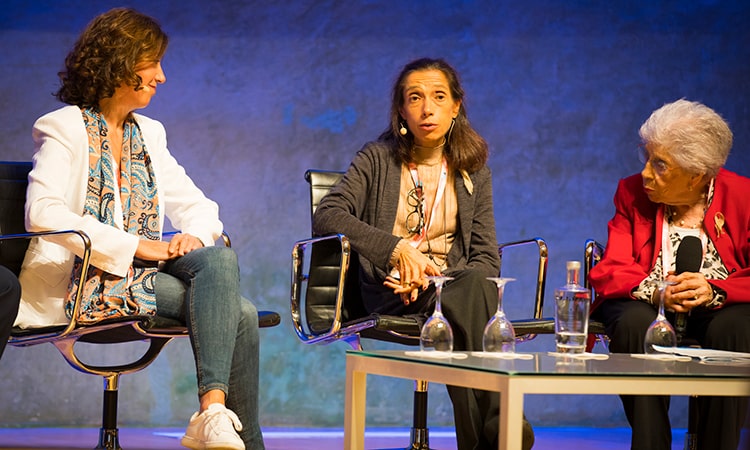
The programme also included the panel discussion ‘Does osteoporosis hurt? Common myths about bone health’, featuring Sandra Toril, a nurse, osteoporosis patient and OAFI volunteer. Her testimony provided insight into the experiences of those living with the condition. Osteoporosis often develops silently and, in many cases, the first clinical sign is a fragility fracture.
Nutrition, hydration and vitamin D: looking after bones and muscles at the 10th Congress
The prevention of osteoarticular conditions does not depend on a single factor. Diet, physical activity, nutritional status and daily habits all play an important role in maintaining healthy bones and muscles.
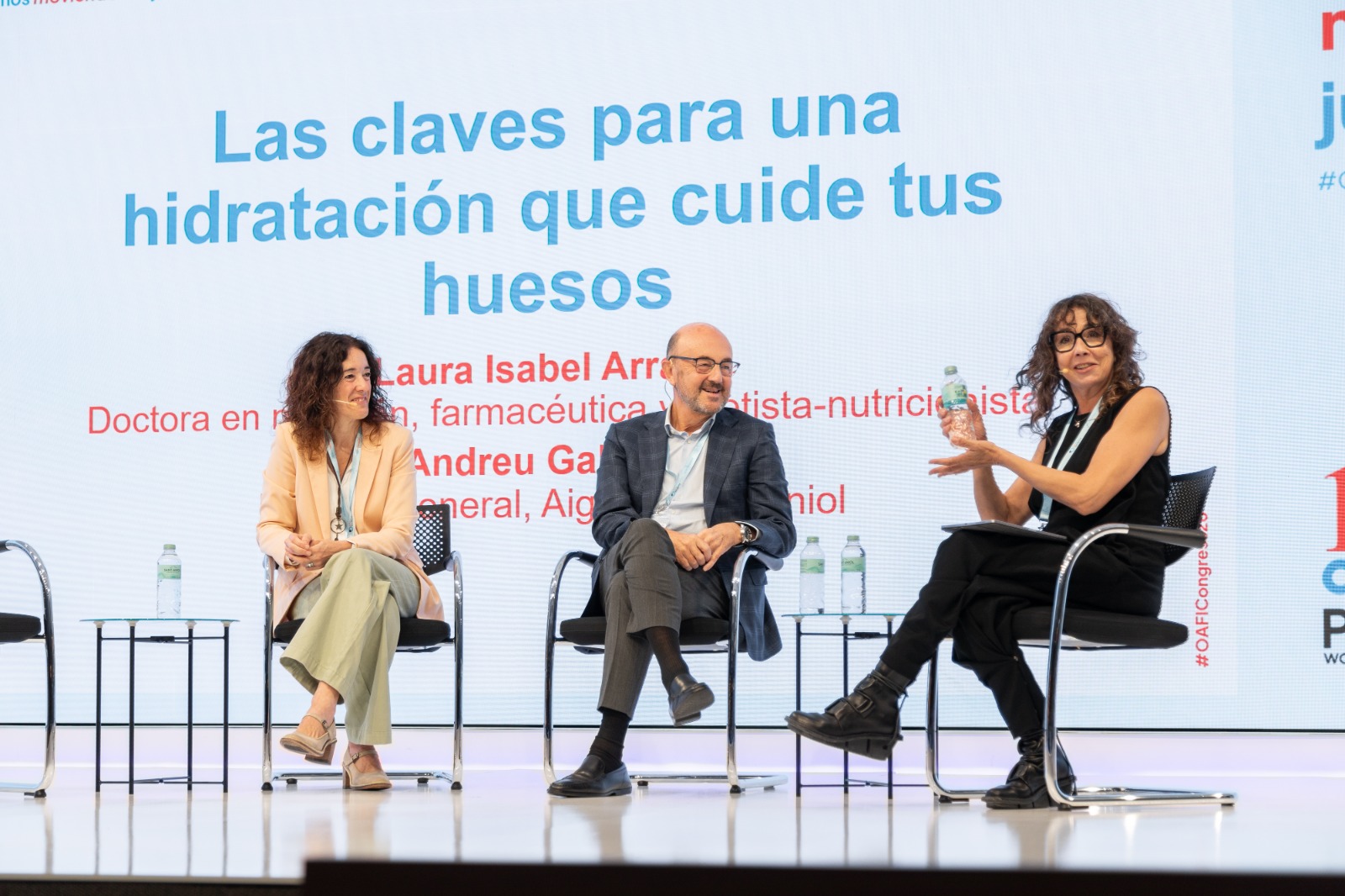
Dr. Laura Isabel Arranz addressed hydration and nutrition during the menopause, whilst María José Alonso Osorio, from the University of Barcelona, devoted her presentation to three nutrients essential for musculoskeletal health.
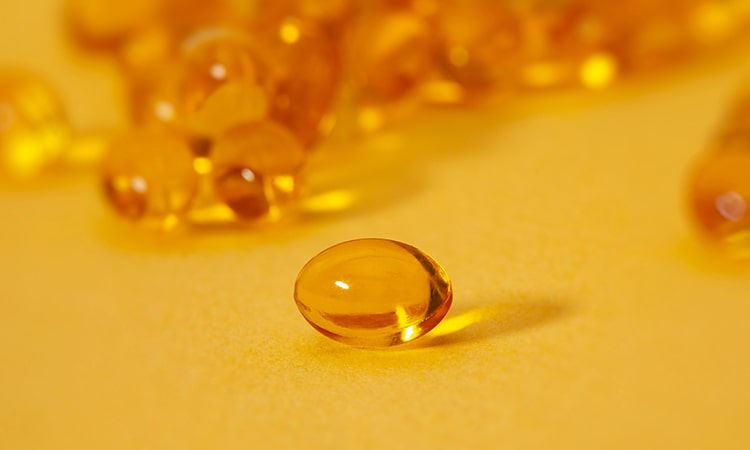
Dr Josep Vergés rounded off this session with a talk on the latest advances in vitamin D, which is essential for calcium absorption and the maintenance of muscle function. Supplementation should be assessed according to each individual’s clinical situation and needs; it is not a substitute for a balanced diet or other preventative measures.
Taken together, these sessions reinforced a common theme: looking after osteoarticular health requires a holistic approach, tailored to each stage of life and based on scientific evidence.
Osteoarthritis: research to improve treatments and quality of life
Osteoarthritis was another of the key scientific themes at the 10th OAFI Congress. This chronic condition affects the joints and can cause pain, stiffness, functional impairment and a loss of independence. Its impact can also affect a person’s ability to work, their social relationships and their emotional wellbeing.
One of the major challenges is to manage symptoms, preserve functionality and, where possible, reduce the need for more invasive procedures.
Dr Josep Vergés presented the results of a study on the long-term use of certain drugs in patients with knee osteoarthritis and its relationship to the risk of requiring a joint replacement. Entitled ‘Pharmacological treatments and joint replacements: is it possible to delay surgery?’, the session opened up a debate on the importance of evaluating long-term treatments, weighing up the benefits against the potential risks.
The scientific closing session explored these issues in greater depth with the panel discussion ‘Beyond pain: understanding the present and the future in the treatment of osteoarthritis’, featuring Maritza Quintero, from PANLAR; Joan Calvet, from Parc Taulí, and Jordi Monfort, from Hospital del Mar.
The conference took a broad view of the treatment of osteoarthritis, encompassing pain management, the preservation of mobility, research and more personalised care.
The patient’s voice in the development of new therapies
Juan García Burgos, from the European Medicines Agency (EMA), discussed the importance of incorporating the patient’s perspective into the development of new therapies.
Patient involvement can help to identify unmet needs, define outcomes relevant to their quality of life and improve understanding of the benefits and risks of treatments.
For his part, Pablo de Felipe, from the Spanish Agency for Medicines and Healthcare Products (AEMPS), explained the regulatory framework for regenerative medicine, a field that is attracting interest due to its potential therapeutic applications.
Research into regenerative therapies opens up new avenues of study, but it is essential to distinguish between treatments with proven efficacy and safety and procedures that are still at the experimental stage.
Pain, sleep and quality of life: understanding the condition beyond the joints
Living with persistent pain can affect sleep, emotional well-being, physical activity and social life. For this reason, the 10th Congress devoted several sessions to exploring the links between pain and other health factors.
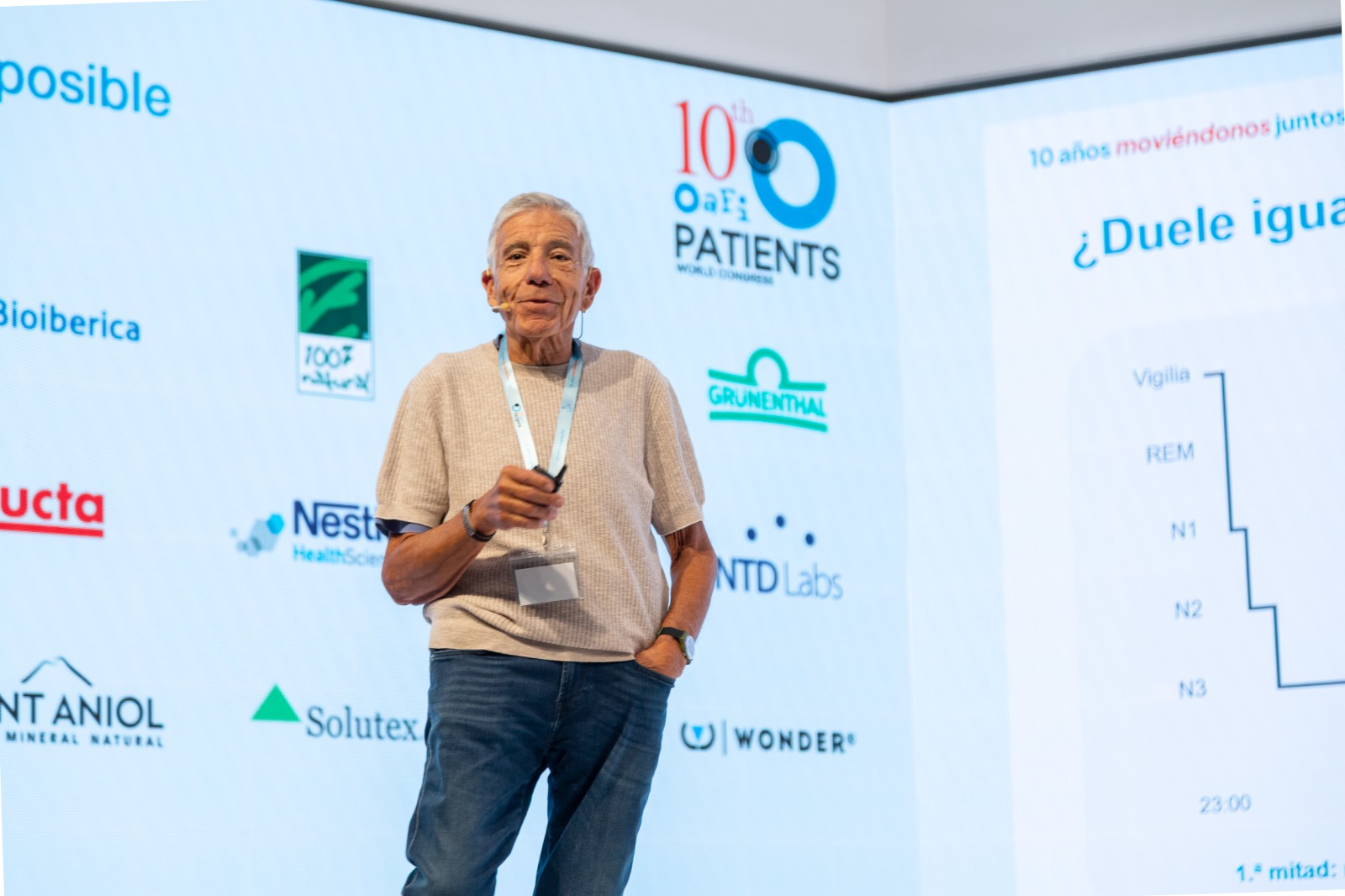
Dr Carla and Dr Eduard Estivill, from the Estivill Sleep Clinic, They presented a paper entitled ‘Sleep and pain: a bidirectional relationship’. Poor sleep can increase sensitivity to pain, whilst persistent pain can make it difficult to sleep.
The conference also addressed the issue of de-prescribing in patients on multiple medications, a particularly relevant issue for people with several chronic conditions. Regularly reviewing treatments allows for an assessment of their necessity, efficacy and safety, always under medical supervision.
Prof. Dr Luis Miguel Torres, president of SEMDOR, discussed the benefits of giving up smoking.
The EXODOL study: overweight, obesity and back pain
The link between excess weight and back pain was another of the topics discussed, based on the EXODOL study, initiated by OAFI, with the participation of SEMG Catalonia and SEMERGEN Catalonia.
Excess weight can increase the mechanical loads borne by the musculoskeletal system and contribute to mobility difficulties, although the link between obesity and pain also involves metabolic, inflammatory and psychosocial factors.
EXODOL aims to gain a deeper understanding of the experiences of patients who are overweight or obese and suffer from back pain in routine clinical practice, with the aim of generating knowledge that will help to improve their care.
Sarcopenia: preserving muscle strength to maintain independence
Dr José María Villalón, Head of Medical Services at the Atlético de Madrid, did not want to miss the 10th Congress and addressed sarcopenia, characterised by the progressive loss of muscle mass and strength, which can compromise mobility, increase the risk of falls and affect functional independence.
Although it is usually associated with ageing, the loss of muscle strength can also be exacerbated by physical inactivity, certain diseases and malnutrition. Preventing and managing it requires a focus on physical exercise – particularly strength training – and diet.
OAFI has explored this issue in greater depth in publications such as «Sarcopenia: ¡No dejes que tus músculos se jubilen antes de tiempo!» y «Músculo y fuerza contra la sarcopenia».
Health and the economy: the impact of chronic diseases on society
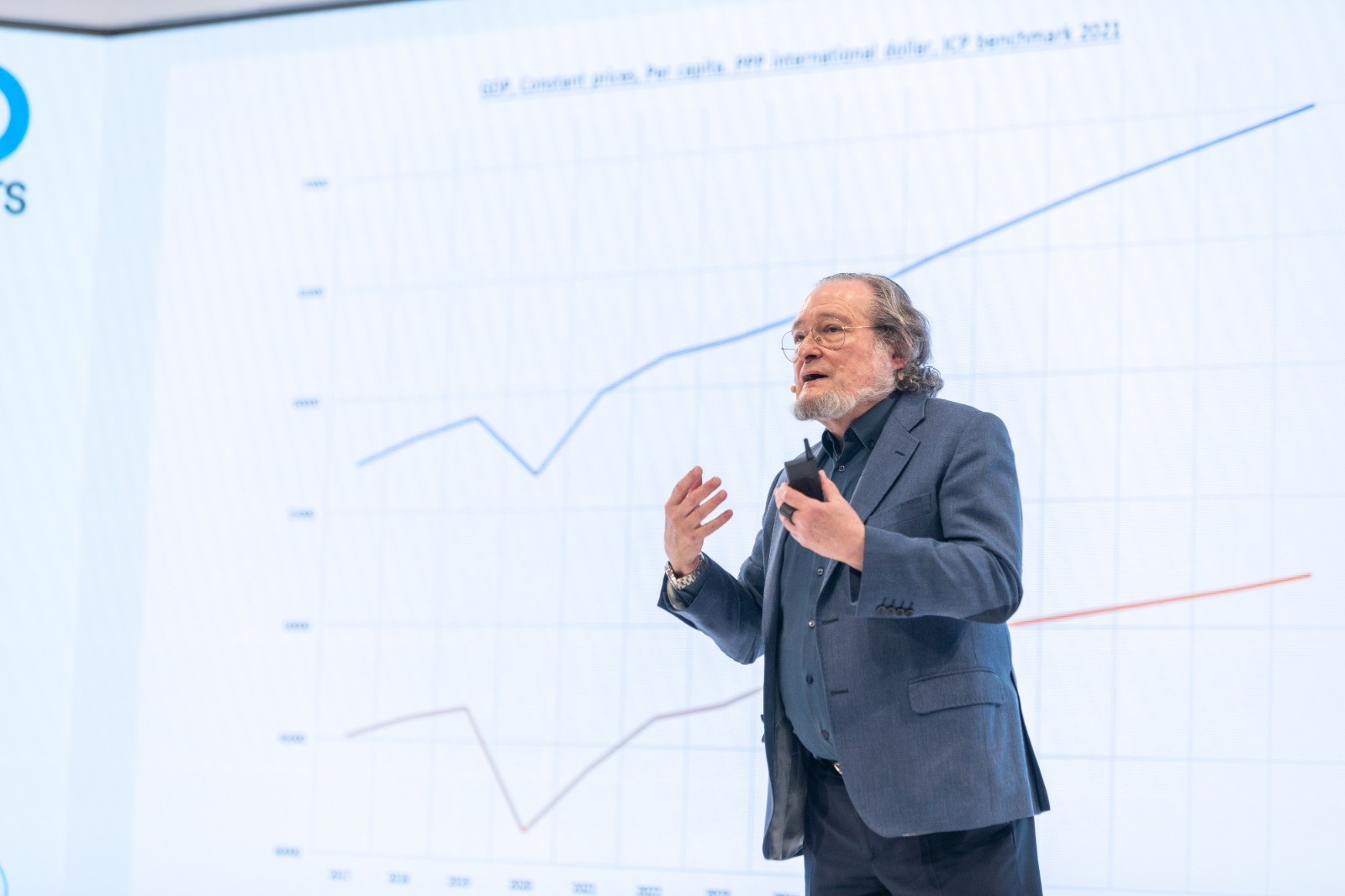
The conference opened the debate on the relationship between health and the economy with the economist and professor Santiago Niño Becerra. Musculoskeletal disorders do not only affect those who suffer from them: their consequences also extend to families, carers, the healthcare system and society.
The loss of independence, limitations in the workplace, the need for long-term treatment and care for those with dependency highlight the social and economic dimensions of these conditions. Prevention and early diagnosis can also help to reduce their personal and social consequences.
10th Congress: Ten years of moving forward together: the commitment continues
The tenth edition of the OAFI World Congress for Patients has once again demonstrated the importance of creating spaces where scientific knowledge can be shared directly with the people for whom it is intended.
With over 400 attendees, more than 30 speakers, and over 170 participants in preventive health screenings, the two-day event brought together outreach, research, prevention, and patient engagement.
Beyond the numbers, the #OAFICongress26 offers a fundamental insight: musculoskeletal health should not be addressed only when pain arises, mobility is lost, or a fracture occurs.
It is essential to move toward a culture of prevention, promote healthy habits, encourage early diagnosis, and ensure that patients have access to information that is understandable, rigorous, and up-to-date.
Since its inception in 2016, OAFI has worked to ensure that individuals living with osteoarthritis, osteoporosis, and sarcopenia have a greater voice in decisions affecting their health—fostering education, research, and collaboration among professionals, institutions, and civil society.
Ten years later, the commitment remains the same: to improve patients’ quality of life, promote their autonomy, and continue working to ensure that no one has to resign themselves to living with pain—without information, care, or support.
Because reaching the ten-year mark does not mean having arrived at the finish line; rather, it means possessing ten years of experience with which to keep moving forward.
Presentations from #OAFICongress26 will soon be available on the OAFI’s YouTube Channel.
Categories :