

















Longevity: For an Adapted Catalonia
Article by Dr Marina Geli, Doctor and former Health Minister
A law to adapt Catalonia to longevity
Parliament is processing the Catalan Law Proposal for Older People. Adapting society and all public and private policies to longevity is one of the country’s most important challenges. The success of being able to live many more years leads us to incorporate the perspective of older people into all actions so as not to exclude this population group. In my presentation, I shared some general and specific aspects.
Catalonia is one of the places in the world with the highest life expectancy. In 1939, life expectancy in Catalonia was 50 years, 53 years for women and 47 years for men. In 1980, life expectancy was 77 years, 80 years for women and 74 for men. In 2011, life expectancy was 82.5 years, with women living to 85 and men to 80. COVID-19 caused life expectancy to fall by a year and a half, but it has recovered and continues to increase to the present day, with a life expectancy of 84.4 years, 86.9 for women and 81.8 years for men.
Healthy life expectancy is approaching 70 years. Almost 20% of the population is over 65 years old, 1.65 million people. People over 80 years old represent 6% of the total population, with 3,361 centenarians.
Diseases, chronicity and quality of life
The most important preventable causes of death in Catalonia are cancer (lung, breast, colorectal, stomach, prostate, liver, etc.), cardiovascular diseases (cerebral, cardiac, especially diabetes), chronic respiratory disease (COPD), mental disorders and suicide. However, as indicated by the current Catalan Health Plan 26-35, quality of life is related to musculoskeletal problems (osteoarthritis, osteoporosis, chronic osteo-articular and muscular pain), falls, Alzheimer’s disease and other dementias, hearing and sight loss, anxiety and depression disorders, chronic kidney disease, the chronicification of cancers, diabetes, and COPD.
Society’s adaptation to the ageing demographic represents a paradigm shift at all levels. To be able to age well, actively and autonomously, it is necessary to invest throughout life in a healthy diet, an active lifestyle, good rest, no smoking, minimal or no alcohol, and positive socialisation as a protective factor for emotional well-being. We have biological, genetically-based factors that condition us, but more than 80% of the determinants of health are socioeconomic, work-related, cultural, environmental, and related to community-oriented health systems that are easily accessible and adapted to chronic conditions.
The promotion of active and healthy ageing, the prevention of falls and disability, and the integrated personalisation of care for people with chronic conditions through to the end of life, are the challenges for public health and social and health care.

Older people in all policies
The Law Proposal for Older People in Catalonia should aim to include older people in all policies with the necessary adaptations, not just create segregated policies for them. For this reason, I believe it would be better to talk about older people rather than “older people of Catalonia” as a group. The great diversity within the population of older people must be taken into account, by age bracket, sex and gender, social, cultural, and territorial factors, among others.
Older people in all policies, listened to and their voices as individuals incorporated. This society adapts to longevity in all areas, in all administrations, in all actions, and not just the Integral Plan for Older People. The Observatory on Older People or the Council of Older People of Catalonia would not fulfil the objective of inclusivity within the specified parameters.
In a ‘Peter Pan’ society, the fight against ageism, invisibility and the undervaluing of knowledge and expertise must be priorities. Intergenerational society must allow for intervention and prevention in intergenerational crises, especially at this time when young people are facing greater difficulties in accessing decent wages and housing.
Older pensioners cannot feel retired or excluded simply because they do not have paid work. Stereotypes in communication about older people must be challenged by incorporating their diversity into the media.
Rethinking preventive screenings
A long-lived society leads us to make changes to certain current screenings and to debate the introduction of new ones in order to take effective action to improve the quality of life and functional and social autonomy of older people. Breast and colorectal cancer screening should include people up to at least 75 years of age; currently it includes those aged 50 to 69 and should be progressively implemented to cover people aged 45 to 75.
If the evidence from the data indicates that hearing loss, osteoarthritis, osteoporosis are very frequent determinants of loss of quality of life and functionality, it will be necessary to screen for hearing loss in people from the age of 55 and to include hearing aids (audiophones and cochlear implants) in the public portfolio for presbycusis (age-related hearing loss).
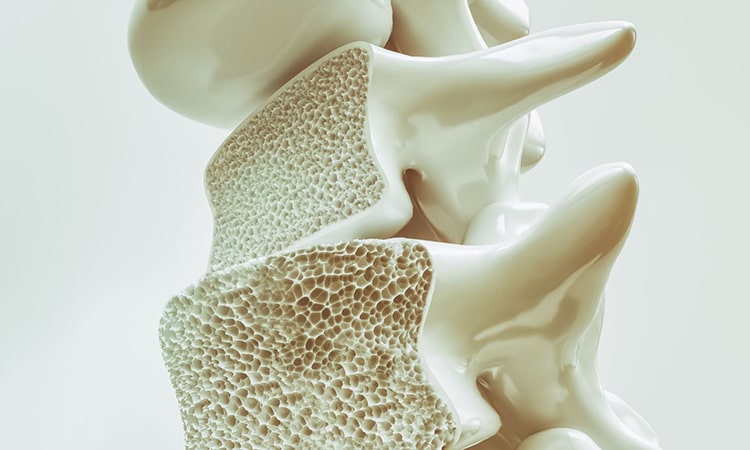
An urgent plan for early diagnosis and clinical guidelines with scientific evidence is needed for osteoarthritis, osteopenia and osteoporosis (progressive loss of bone mineralisation) and sarcopenia (loss of muscle strength). If science indicates that preventive actions in perimenopause (around the age of 45) and menopause are cost-effective, we can implement population-level interventions aimed at women in these age groups to minimise musculoskeletal pathologies and falls in elderly.
Mental health, emotional health and other needs of longevity
Mental disorders and emotional distress also affect older people and are made invisible simply because of their age. In 2025, the age group with the highest number of completed suicides in Catalonia is men aged 55 to 74, and they increase among men and women over the age of 85. Mental health and sexual and emotional health policies cannot exclude the perspective of older people. Oral health and sight loss are factors that determine the quality of life of older people, and longevity compels us to review the current provision.
Supporting people with dependency is a national challenge, requiring economic resources and diversified services, according to the preferences and needs of older people. Local councils, the regional government and the State are the three administrations involved, requiring agreements to guarantee income from pensions and supplementary benefits, and the sustainability of the support model for people with reduced personal autonomy, their families and their community settings.
The home, whether private, shared or residential, must be the focus of policy, guaranteeing dignity for people, freedom of choice, the prevention of unwanted loneliness and socialisation. Faced with one of the most significant achievements of the late 20th and 21st centuries, the substantial improvement in life expectancy, the challenge is to adapt society as a whole, and all policies, to longevity, with the active participation of the people themselves, both individually and collectively.
Article by Dr Marina Geli, Doctor and former Health Minister
Categories :