






















“Falls in the bathroom: the main risk for people with osteoarthritis and osteoporosis”
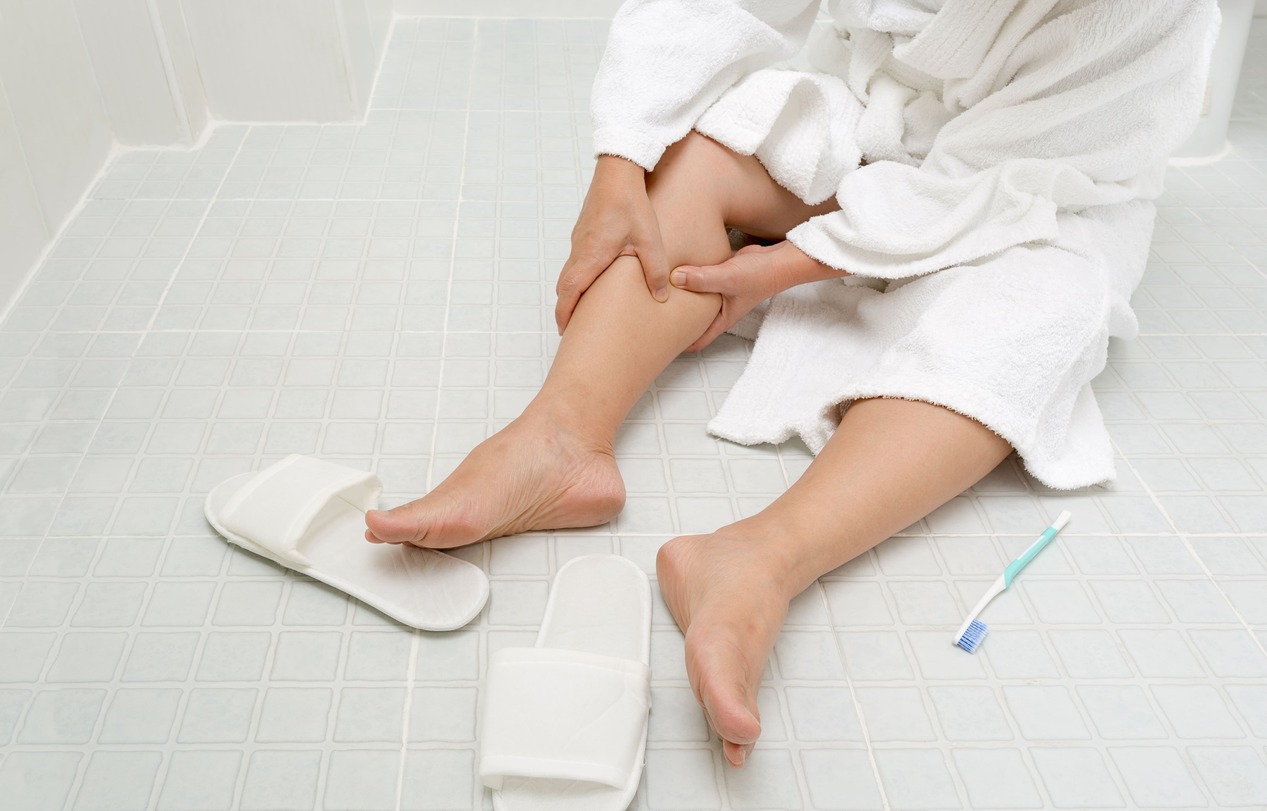
When we think of fall prevention, we tend to picture the street, stairs, an outdoor outing or sporting activities. However, the place where the most serious accidents involving older people occur is not outside, but inside the home: the bathroom.
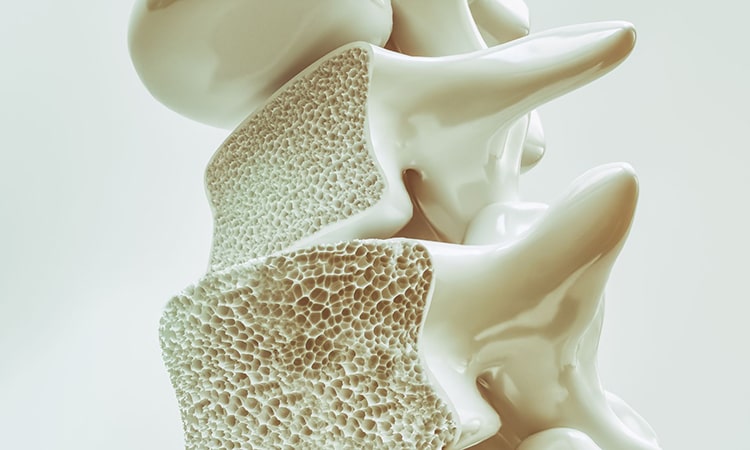
Various studies show that around 33% of people over the age of 65 suffer at least one fall a year in their own home, and that falls in the bathroom account for the majority of these accidents. In people with osteoporosis, A fall is not just a scare: it can lead to a fragility fracture, with far-reaching physical, emotional and social consequences.
Falls in the bathroom: accidents with fatal consequences
In Spain, there are around 300,000 fragility fractures each year, which equates to one every two minutes. Many of these are related to falls in our homes, particularly in the bathroom.
Fractures associated with osteoporosis not only cause pain, but can also lead to:
- Loss of mobility.
- Needs assistance from others to carry out basic activities.
- Social distancing.
- Increased risk of dependency.
- In the most severe cases, this includes an increased mortality rate in the first year following the fracture (20%).
Furthermore, only 40% of older people regain their previous quality of life following a hip fracture.
Why is the bathroom so dangerous?
Although it is a small space, the bathroom combines several risk factors at once: slippery surfaces (water, soap, steam), confined spaces that restrict movement, high bath edges that force you to lift your leg and lose your balance, a lack of handrails, taps that are difficult to operate and, in some cases, poor lighting, all of which can easily lead to falls in the bathroom.
For someone with osteoarthritis, who suffers from joint stiffness or muscle weakness, these factors are exacerbated and hinder mobility. The same applies to someone with osteoporosis, for whom these factors become obstacles and potential causes of a fracture.
The patient’s experience of using the toilet
OAFI has commissioned the study “Exploration and validation of toilet use through the patient’s experience”, in which people with osteoarthritis and osteoporosis from various autonomous communities took part.
The results are very clear:
- 70% of participants identify the shower or bath as the most hazardous area in the home.
- 50% had slipped or had a scare in the bathroom.
- 8% had experienced a real decline.
Patients themselves agree that a lack of adaptation reduces their sense of security and limits their independence in the bathroom, which can ultimately lead to falls in the bathroom.
Adapting the bathroom: much more than just a matter of aesthetics
The study shows that small changes to the way we use our bathroom space can have a huge impact on preventing falls and looking after our bone and joint health. Some key measures for preventing falls in the bathroom include:
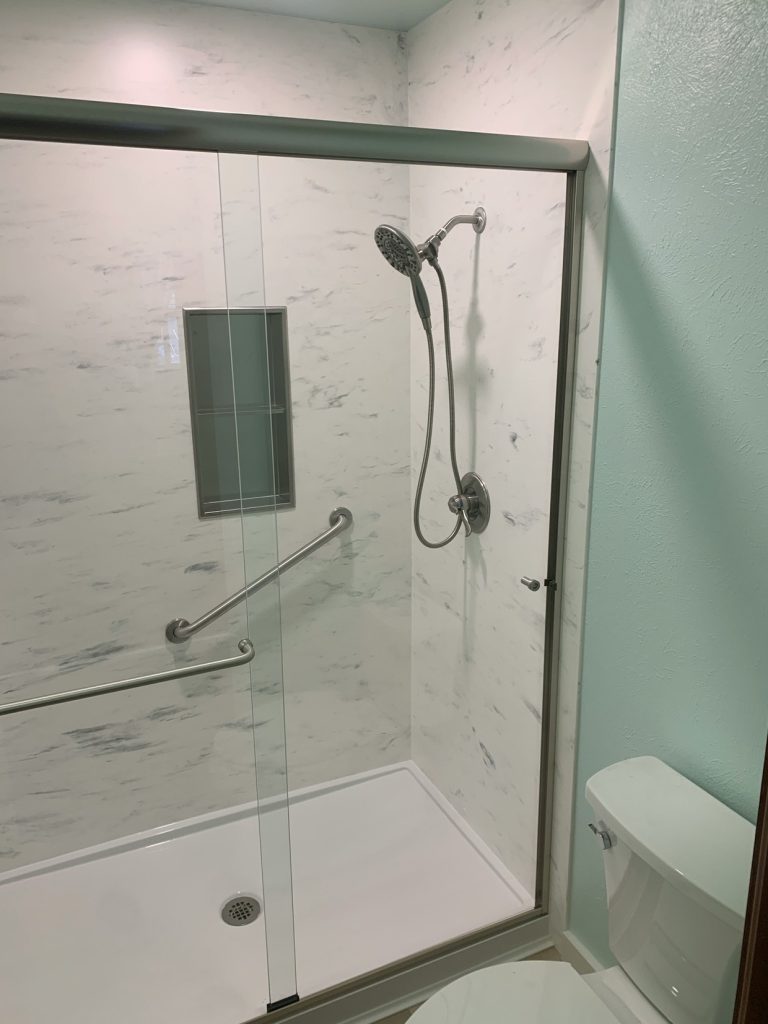
1. Shower tray – replacing the bath with a shower tray shower removes the main physical barrier in the bathroom.
Patients rated it 9.83 out of 10 for safety.
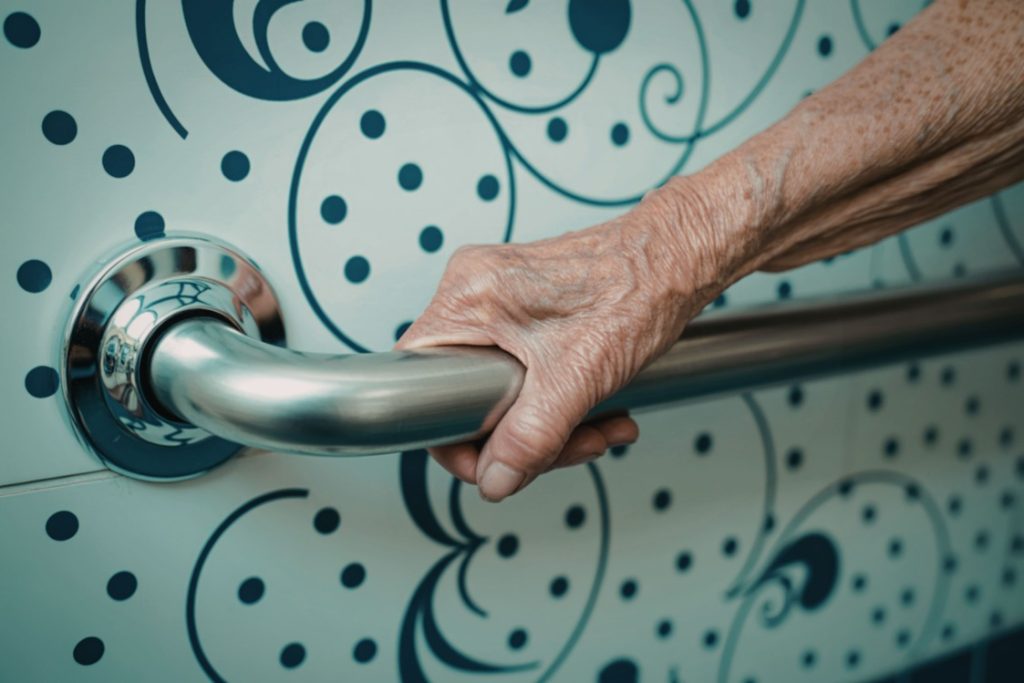
2. Grab rails – these rails provide stable points of support. They received the highest score as a fall prevention tool.
3. Non-slip flooring – significantly reduces the risk of slipping.
4. Shower seats – make personal hygiene easier and provide greater stability.
5. Ergonomic taps – make it easier for people with limited hand and wrist mobility to control the water flow.
6. Good lighting – adequate, even lighting reduces shadows and dark areas, thereby lowering the risk of tripping and falling. It improves visibility and enhances safety and confidence when using the bathroom on a daily basis.
Beyond the physical
SFeeling safe in the bathroom does more than just prevent injuries. It also has a direct impact on self-esteem, a sense of independence, emotional well-being and reducing the fear of falling.
Many patients say that the fear of falling in the bathroom leads them to shower less often, rely on others or avoid certain basic activities, which has a direct impact on their quality of life.
One of the major challenges in prevention is taking action. In this regard, OAFI collaborates with organisations that offer practical solutions tailored to the needs of people with osteoarthritis and osteoporosis.
One example is Renoveduch, A company specialising in replacing bathtubs with showers within 24 hours, a service that allows bathrooms to be adapted quickly, safely and without lengthy building work. This type of work makes it easier for people with osteoarthritis and osteoporosis to continue living in their own homes with greater independence, directly reducing the risk of falls and fractures.
Ageing at home, but safely
Adapting the bathroom It is neither a luxury nor a cosmetic upgrade. It is a preventive health measure, particularly for people with osteoarthritis, osteoporosis and other musculoskeletal conditions.
An accessible bathroom is a key tool for reducing fractures, avoiding hospital admissions, preventing dependency and safeguarding independence. Adapting the bathroom is one of the simplest and most effective steps you can take to look after your joint health in the long term.