






















Collagen: Foods that contain it, when and how to supplement

Article courtesy of Dr. Laura Isabel Arranz , Doctor of Food and Nutrition, pharmacist, and dietitian-nutritionist.
Collagen
Collagen is the most abundant protein in the body and its main function is structural, binding together all the tissues and organs in our body. That is why the tissue it forms is called ‘connective tissue’ because it connects everything. It has a very peculiar structure that is different from other proteins because it needs to have very specific qualities due to the functions it performs. It is made up of small pieces called peptides and amino acids and has a very high proportion of glycine and proline, which is not the case with other proteins. We have more than 28 types of collagen, which, with small differences between them, are highly specialised.
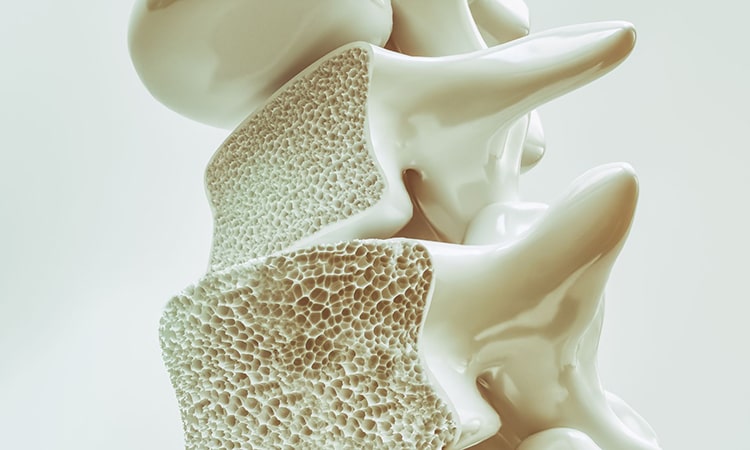
It is present in different tissues such as joints, bones, skin, muscles, fascia, blood vessels, internal organs, etc. Its main function is to provide support, but it also protects and facilitates mobility. It is so important that the body constantly manufactures it, with a collagen renewal rate of between 0.5% and 2% per day. This means that after 2-5 months we renew all our collagen. Muscle proteins also have a similar renewal rate.
For this to occur, the body needs to receive the necessary materials through food and/or supplementation. These materials are the small components that make up collagen: amino acids, especially glycine and proline, as well as some peptides. In this process of endogenous collagen production, our body also needs another very important nutrient: vitamin C. Without it, this very special protein cannot be produced.
Collagen in stages
While we are young, collagen renewal rates are very active. However, from the age of 40 onwards, our ability to regenerate collagen decreases considerably, and this decline becomes even more pronounced after the menopause in women and from the age of 60 onwards in men. Studies show that at these stages, adding extra dietary collagen is very helpful in stimulating its production. In fact, at these stages of life, proteins in general are particularly important for maintaining muscle mass, and collagen is important for keeping all our connective tissue in the best possible condition for care of joints, fascia, bones, skin, etc.
Collagen is only present in the animal kingdom. Dietary sources include parts of animals that are rich in this particular protein, such as meat with bone and skin, pig’s trotters, cheeks, tripe, knuckle, fish cooked and eaten with skin and bones, and bone broths. The parts rich in collagen are the so-called offal, which are the belly or intestines, the offal or viscera (lungs, heart, liver, kidneys, gizzards, tripe, intestines, marrow, blood, testicles), the head (brains, snout, tongue, ears, cheeks, crest) and the hands, feet, wings, skins or appendages such as the tail of different land animals, but also fish, including salmon and sturgeon roe, hake or cod cheeks and cod tripe.
Collagen digestion
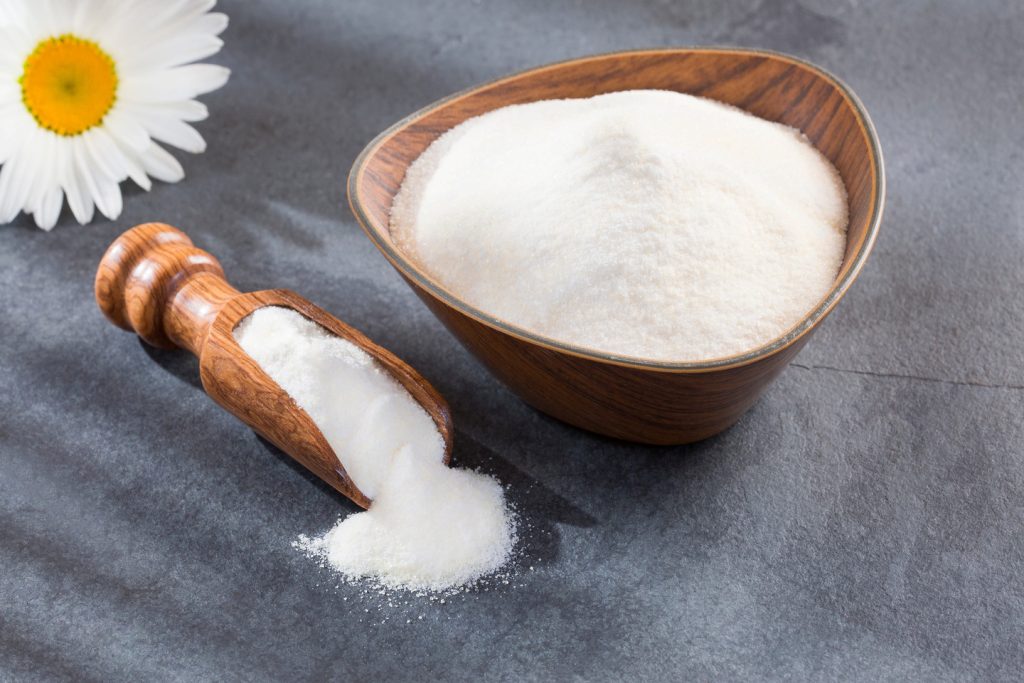
Raw or native collagen is difficult for us to digest, however, when we cook it or treat it with acids to obtain gelatin, or when it is hydrolysed to sell it as a supplement, the body’s ability to digest and assimilate it increases greatly by absorbing its components, amino acids and peptides. Therefore, both the collagen we consume in cooked foods and as supplements are good dietary sources that the body will utilise and provide us with benefits. Gelatin is also an option, although we should avoid gelatin-based products that add other less healthy ingredients such as sugars, sweeteners, colourings, etc.
Countless studies have demonstrated the benefits of hydrolysed collagen administered as a supplement in doses of 5 to 10g. Scientific evidence shows that collagen supplements help reduce the symptoms of osteoarthritis, particularly pain and stiffness, and improve functionality (mobility). Combining it with other chondroprotective treatments is a very good option. In addition, it improves muscle function by promoting intramuscular connective tissue and good fascia condition, contributes to the health of tendons and ligaments, helps improve skin and hair condition, and also improves musculoskeletal function in healthy, active adults.
Collagen is essential
Collagen is necessary, we should all consume it in our diet, and from the age of 40 onwards it is a good idea to include it as a supplement as well, as this helps the body to be more effective in its constant renewal process. This will give us better ‘connective health’ now and also in the future. Taking collagen is safe and can be taken continuously without any problems, quite the contrary. Collagen has no significant drug interactions, but if you are taking medication, always separate the intake of this and any other supplements by about 2 hours as a precaution.
Article courtesy of Dr. Laura Isabel Arranz , Doctor of Food and Nutrition, pharmacist, and dietitian-nutritionist.
OAFI Workshops
At OAFI, we work to help improve our patients’ quality of life by offering them all the tools possible so that they can learn to live with their disease.
In our Nutrition Workshops learn the essential concepts of nutrition and discover the benefits of a healthy diet for your joint health. Dr Laura Arranz’s nutrition workshops are the best way to start eating better, with our joints in mind.
You can now view the latest workshop on collagen online. (In spanish)