
















LCA: the injury that changed my outlook
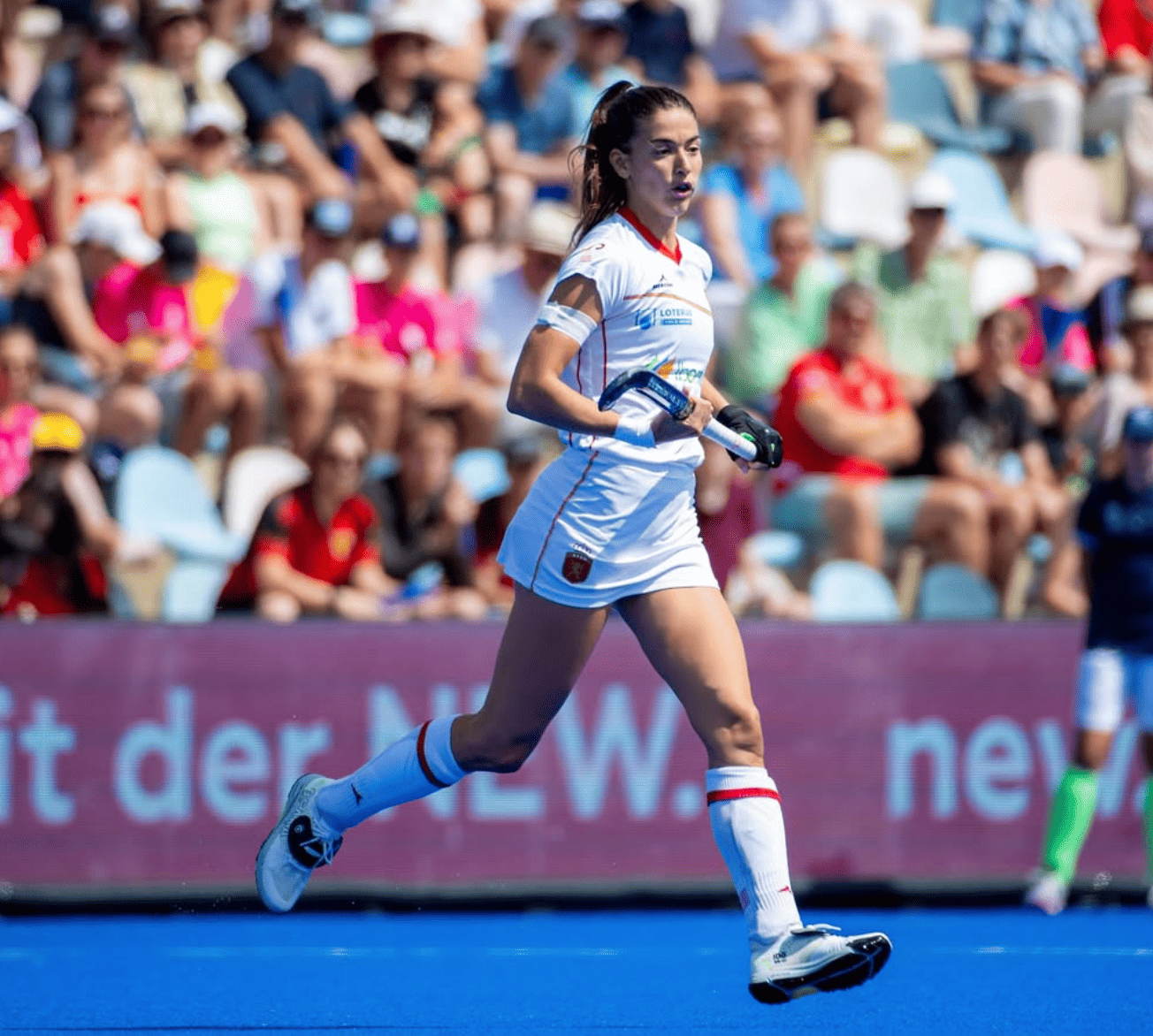
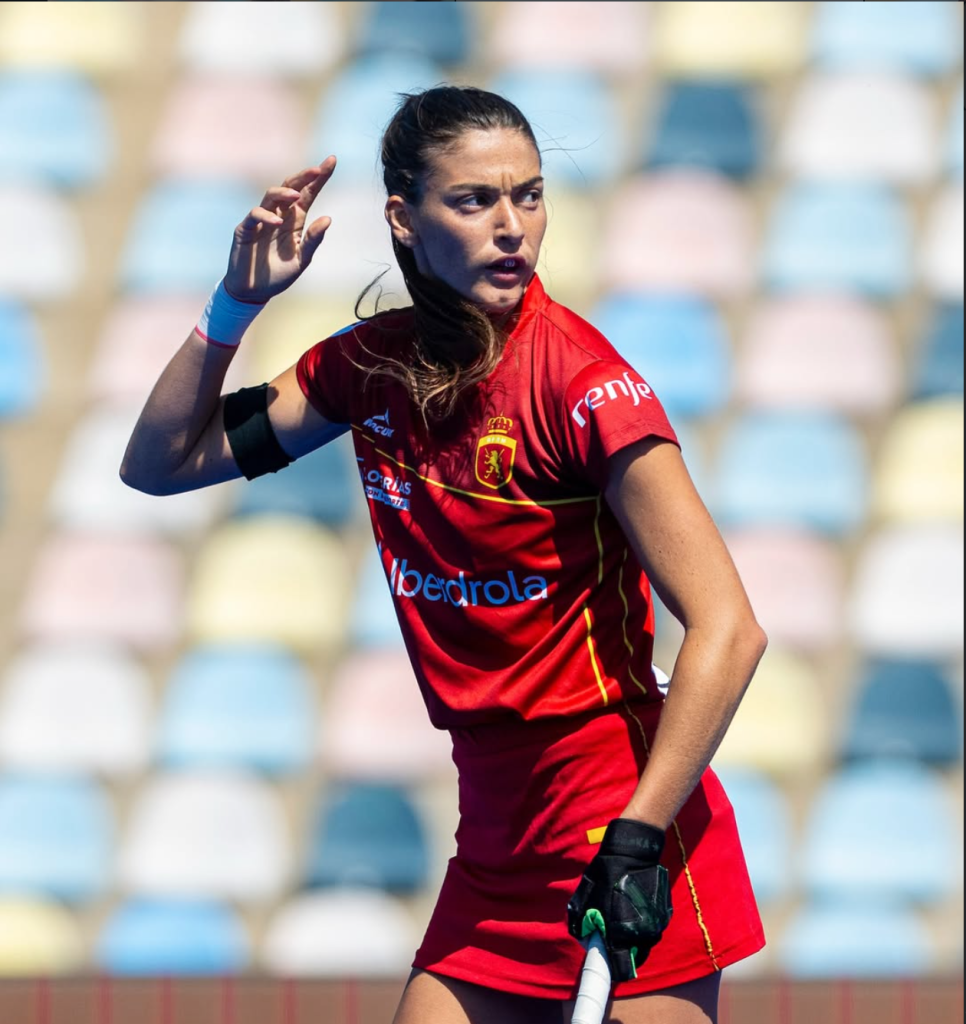
Article by Flor Amundson Teves, athlete and professional hockey player
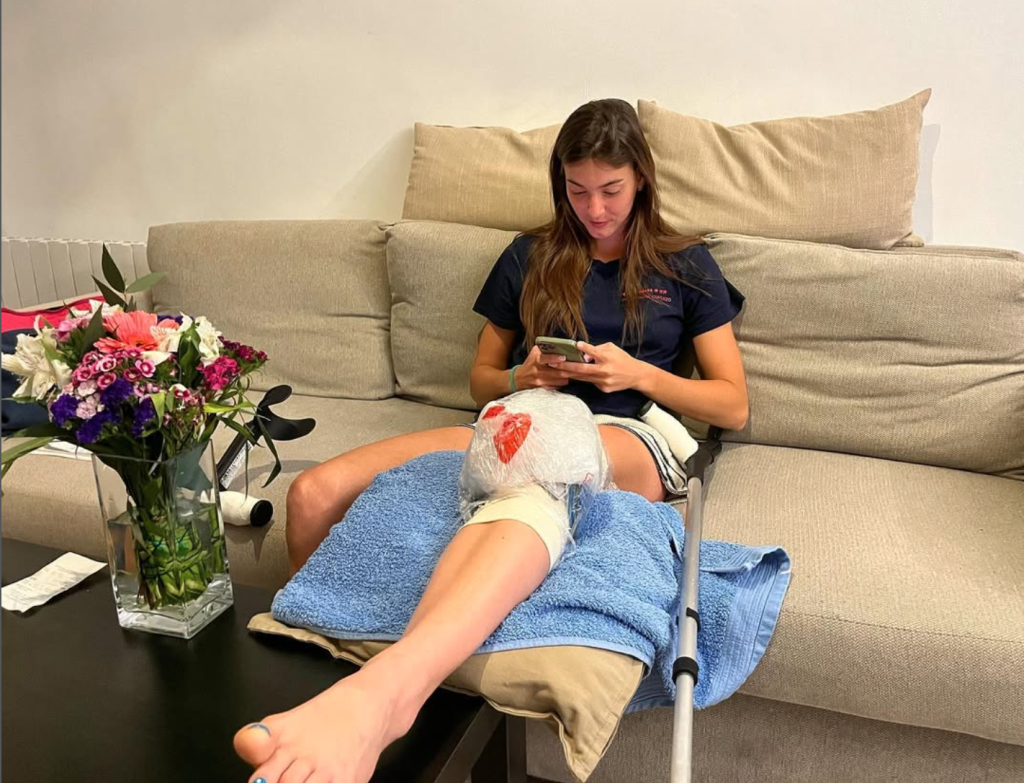
In the life of an athlete, there are moments that mark a turning point. For me, that moment came with my anterior cruciate ligament (ACL) injury. One knee, one movement, one unfortunate twist, and suddenly everything I had been preparing for over the years was thrown into doubt. The physical pain was intense, but the emotional pain was even greater: accepting that my career was on hold, that my body needed time and patience, was one of the biggest challenges I have ever faced.
I remember the feeling of emptiness and frustration. As an elite athlete, you are used to your life being organised around training, objectives and specific goals. Suddenly, that whole schedule disappeared and I found myself facing a new scenario: rehabilitation. It is a long process, full of small steps forward and unexpected setbacks, where discipline plays a fundamental role, but so does emotional resilience.
What I wish I had known before
If I learned anything from this injury, it’s that we’re not prepared to stop. In professional and amateur sports, there’s often talk about the importance of training hard, but little is said about taking preventive care of your body. Before my ACL injury, I wish someone had reminded me that strengthening exercises, actively listening to your body, and prevention are just as important as any technical or tactical training session.
ACL injuries do not only affect elite athletes; they are one of the most common injuries in young people who play football, basketball, hockey and other high-impact sports. That is why I believe it is essential to talk about prevention: working on muscle strength, stability and flexibility, and not underestimating the warning signs that our bodies give us.
ACL rehabilitation: a journey towards myself
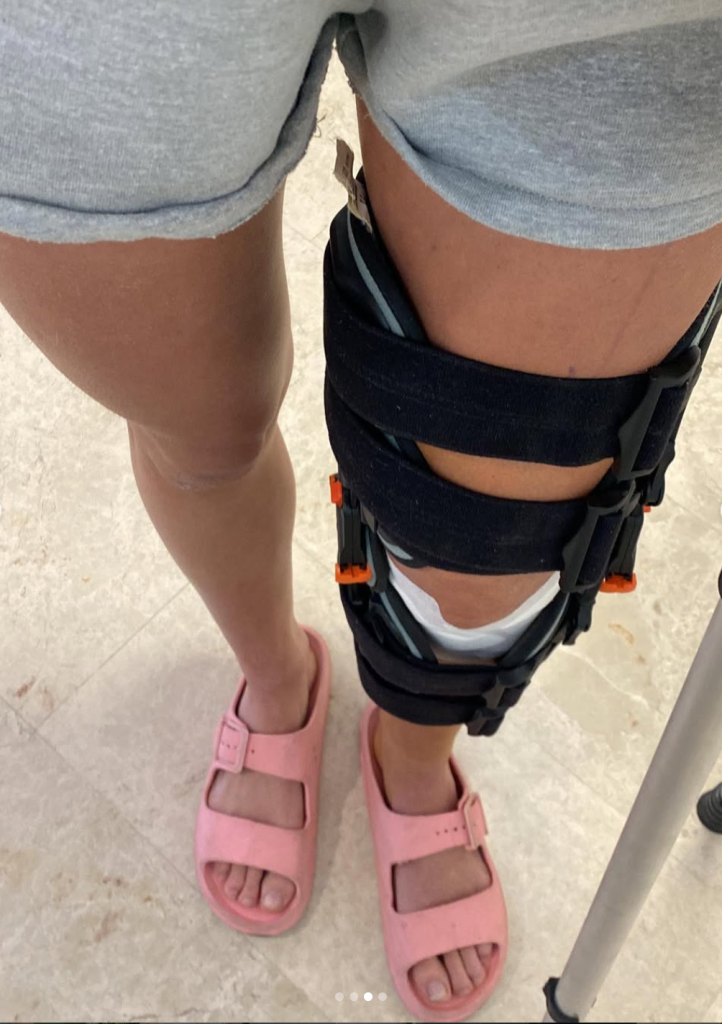
Recovering from an ACL injury isn’t just about running or jumping again. It’s about regaining trust in your body, step by step. Every day of physiotherapy taught me patience. Sometimes, progress meant just bending my knee a little more or taking a step without pain. Other times, it meant accepting that I had to take a step back in order to move forward more confidently.
But the most transformative thing was learning to accept my vulnerability. As athletes, we tend to want to always be strong and unbreakable. However, my ACL injury showed me that true strength also lies in allowing ourselves to fall, in asking for help, and in recognising that we are human.
Lessons I take away
Today, looking back, I can say that although that ACL injury was painful, it taught me lessons that I wouldn’t change for anything. It taught me to value every training session, every match and every moment on the pitch with a different kind of gratitude. It also gave me the opportunity to get to know my body in a deeper way, to understand its limits and its capabilities.
What struck me most was the certainty that sport is not just about performance, but also about health. And that, whether we are competing at a high level or playing for fun, we must prioritise taking care of our bodies, because they are our greatest resource.
A message for those dealing with an injury
If you are dealing with an injury such as an ACL tear, I want you to know that you are not alone. There will be difficult days when you feel like the road ahead is endless. But there will also be small victories that celebrate your efforts. The key is to surround yourself with a good medical team, trust the process and, above all, trust yourself.
The injury changed me, but it didn’t stop me. Today, I continue to dream, train, and compete with the same passion as always, but with a new perspective: that of someone who understands that every step on the field is a gift.
Article by Flor Amundson Teves, athlete and professional hockey player
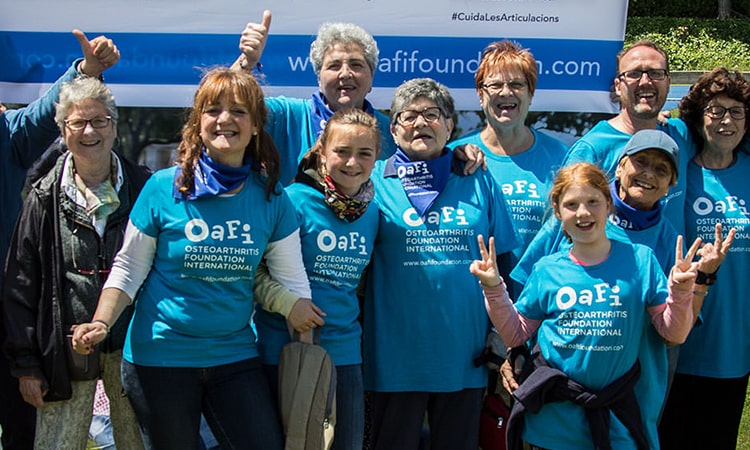
OAFI always with sportswoman
Regular physical exercise has multiple health benefits. Movement strengthens muscles, improves coordination and promotes bone density, thus contributing to the prevention of osteoarticular diseases. However, when training becomes excessive or is not accompanied by adequate nutrition, especially in young women, can compromise joint, hormonal and bone health..
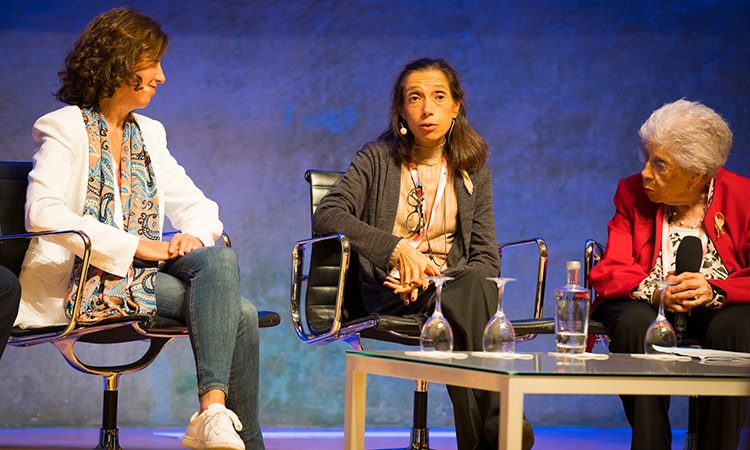
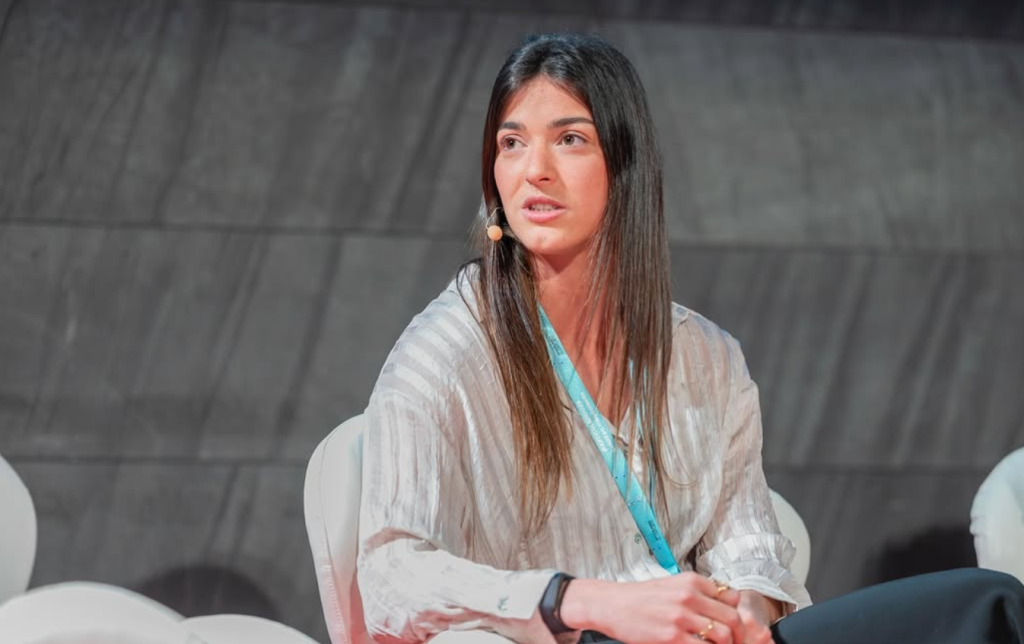
Catch up now on the OAFI SPORT programme on Emotional Health and Sport, where Flor told us about her experience with her injury and how she went through the whole process.
At OAFI, we continue to work to prevent injury, improve treatment and enhance the quality of life of athletes, so that they can practise their sport with the least possible impact on their joints and enjoy a healthy sporting life.
If you need advice, support or information, the OAFI Foundation is at your disposal.
OAFI – Osteoarthritis Foundation International
C/ Tuset, 19, 3º 2ª – Barcelona
📞 0034) 931 594 015
📧 info@oafifoundation.com
🌐 https://www.oafifoundation.com