











Muscle and strength against sarcopenia: the keys to healthy ageing

Article courtesy of María José Rivas, physiotherapist, founder and CEO of Mad’or
If there is one type of exercise that has a real impact on overall health, it is strength training. For years, it was thought that muscles were only there to help us move, but today we know that they are active organs with vital functions that go far beyond mere aesthetics.
Muscle as medicine: why is it so important?
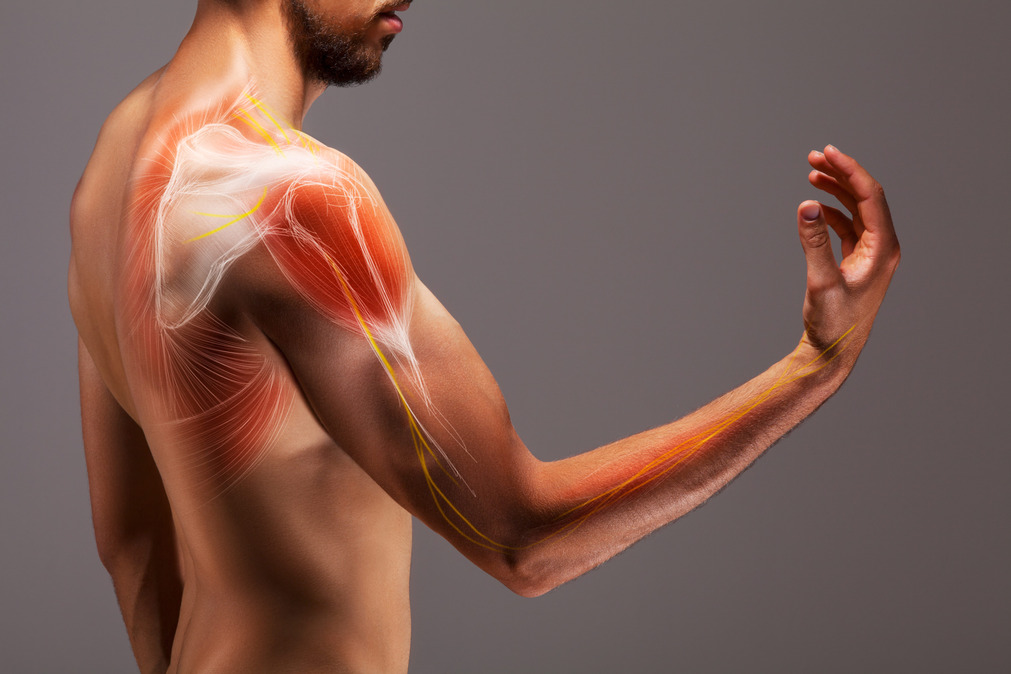
The latest scientific evidence shows that muscle is an anti-inflammatory tissue. When it contracts, it releases myokines, molecules that have beneficial effects on the whole body. That is why strength training is a key tool for good health at any age. Here are just a few of the benefits:
- Reduces the risk of bone fractures by 66%
- Reduces depression (48%) and cognitive decline (40%)
- It reduces the risk of type 2 diabetes (35%) and high blood pressure (33%)
- Reduces mortality (30%) and cardiovascular disease (25%)
- It helps protect against certain cancers, such as breast and bowel cancer
Ageing better: living longer… but with quality of life
The increase in life expectancy is a medical achievement. In Spain, the average is 84 years (85 for women, 79.9 for men). But how many of those years are lived independently, with energy and in good health?
The reality is that, when we talk about healthy life expectancy, it is around 10 years lower than overall life expectancy. The real challenge is not to live longer, but to live better.
Muscle doesn’t just maintain itself: you have to train it!
Muscle mass begins to decline from the age of 35–40. We lose between 1% and 2% per year, and up to 5% of our strength annually. This process is known as sarcopenia, and it can lead to:
- Increased risk of falls and fractures
- Physical disability
- Loss of independence
- Increased risk of mortality
But the good news is that it’s reversible. With the right exercise, we can maintain or even regain muscle and function.
Strength, yes, but with good posture and balance
Before lifting weights or using machines, it is essential to build up your core strength:
✅ Proper posture
✅ Body balance
✅ Core stability
These elements not only help prevent injuries, but also enable more efficient and sustainable strength training. It is important to first assess the condition of your muscles and design a plan tailored to your actual needs.
Exercise is good for your mind too
Muscles don’t just move the body; they’re also linked to mood, motivation and energy levels. Leading an active lifestyle boosts self-esteem, reduces stress and enhances memory and learning.
Furthermore, physical inactivity is one of the main risk factors for death in Europe, according to the WHO, alongside high blood pressure, smoking and high blood sugar.
🔑 Key points
- Muscle tissue has anti-inflammatory properties: by exercising it, we protect our entire body.
- Sarcopenia is not inevitable: we can prevent or reverse it through exercise and a healthy diet.
- Strength is health: but to achieve it, we need to work on our posture, balance and motor control.
- Muscle health is the foundation of independence, mobility and quality of life.
How can you tell if there is muscle weakness?
In our workshops and assessment sessions, we use simple tests (such as the 15-second leg strength test) to determine whether there is a risk of weakness or falls.
‘The best way to start is to stop talking and start doing.’— Walt Disney
It is essential to build up your health from the ground up, with a clear purpose, by taking specific strength training classes tailored to each stage of life, combining therapeutic exercise, postural control and functional training.
That is why strength training is one of the most effective ways to improve your health at any age.
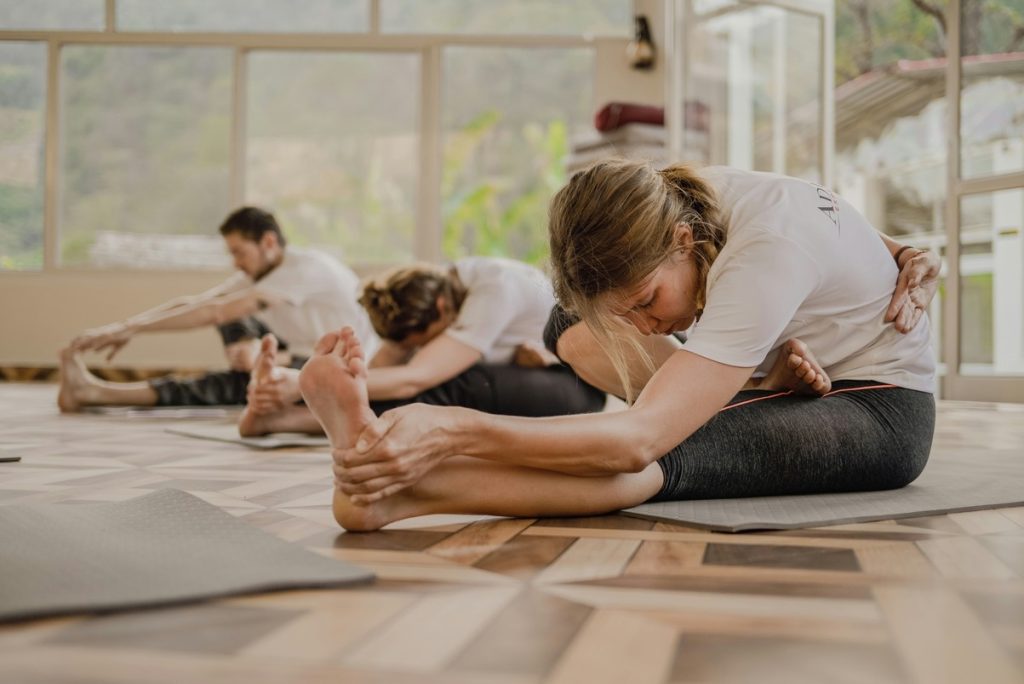
Photo by Jaspinder Singh on Unsplash
Sarcopenia, the silent enemy
Sarcopenia it is characterised by the progressive loss of muscle mass and strength. In Spain, around 5 million people have been diagnosed (a figure lower than the actual number of people affected), and it is responsible for physical disability, loss of function and even mortality.
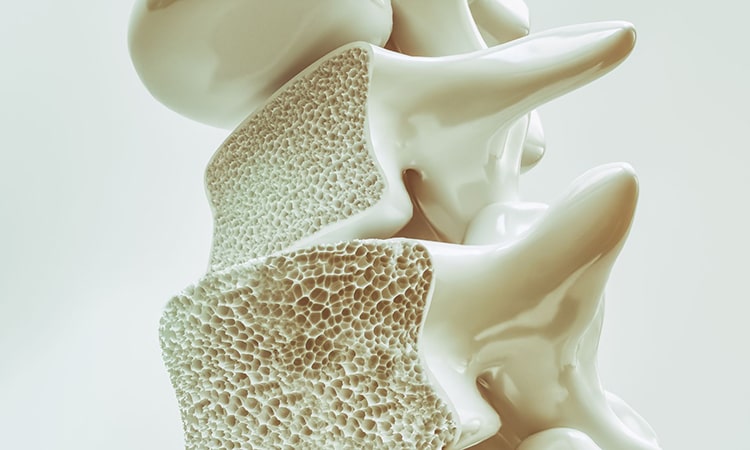
Sarcopenia affects osteoarticular health, as it is influenced by muscle weakness. In patients with osteoporosis, there is an increased risk of fragility fractures, as muscle weakness does not contribute to the body’s stability or the protection of the bone structure. In the case of patients with osteoarthritis, the lack of muscular support contributes to cartilage wear. Furthermore, we know that bone and muscle are interrelated and communicate with each other via endocrine and paracrine mechanisms, such that changes in bone mass affect muscle mass and vice versa.
Sarcopenia not only affects physical health, but also has an impact on mental and social well-being. Staying active and maintaining healthy habits is essential.
We’re here to help!
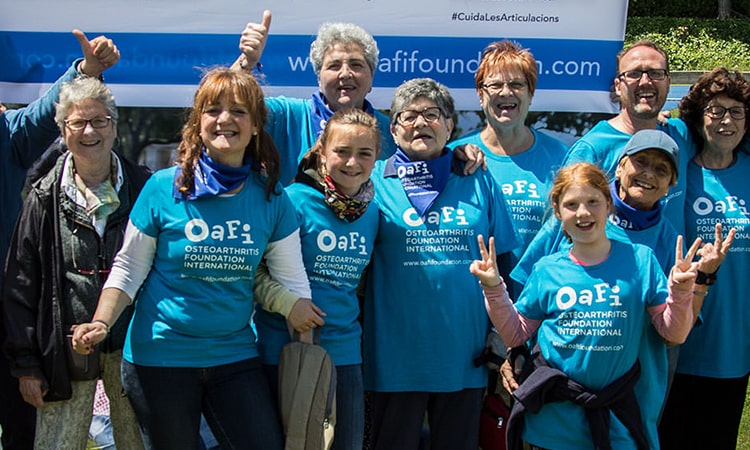
At OAFI and Mad’or Physiotherapy, we continue to work on improving the approach and the quality of life of all those suffering from osteoarticular conditions, many of whom have associated comorbidities.
You can contact us at:
Mad’or fisioterapia
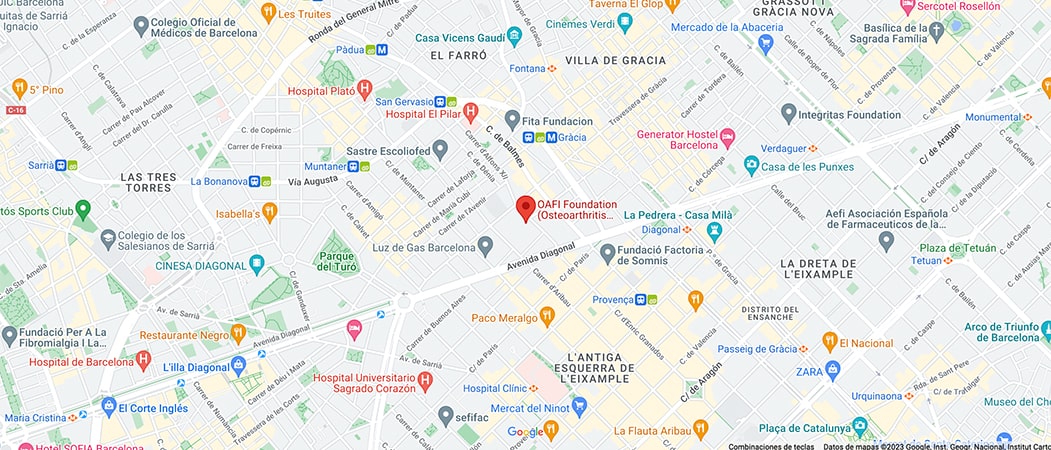
Travessera de Gràcia 62 entresuelo 3
08006 Barcelona
(0034) 665 65 14 11
(0034) 933958058
OAFI Foundation
C/ Tuset, 19 – 3º 2ª08006 Barcelona
(0034) 931 594 015
info@oafifoundation.com