




















Humanisation within the multidisciplinary setting of the healthcare system

Article courtesy of Dr Rodrigo Gutiérrez Fernández, President of the Spanish Society for Healthcare User Care (SEAUS).
Here are some general ideas on the humanisation of healthcare from the SEAUS’s perspective:
What exactly does ‘humanisation of healthcare’ mean?
Humanisation is, above all, an ethical issue, which concerns values and the pursuit of the best interests of the person we are treating and caring for (the classic bioethical principle of beneficence), whilst always recognising and taking into account the rights of patients, as well as those of healthcare professionals and carers themselves.
Ultimately, humanising clinical and care relationships means committing to transforming the nature of healthcare and support work, imbuing it with genuinely human values and attitudes – that is, values and attitudes more in keeping with human dignity. We can summarise this in the comprehensive definition set out in the Plan for the Humanisation of Healthcare in Castilla-La Mancha (approved in 2021, forming part of the Castilla-La Mancha Health Plan – Horizon 2025):
“We understand the humanisation of healthcare and social care as a process in which a set of values and practices are put into practice, aimed at delivering person-centred care based primarily on respect, active listening, participation and empathy, with a holistic approach that also takes into account the importance of, and care for, the professionals involved.”
What are the benefits of humanising healthcare for patients?
First and foremost, there are a number of key values that must always be taken into account in order to provide dignified care and humanise healthcare: respect, compassion and empathy. These values must be particularly emphasised in clinical care and in the management of dependent patients and those with chronic conditions, such as osteoarticular diseases, helping to improve the quality and safety of care, increasing satisfaction with the care received and, furthermore, achieving better health outcomes.
And what about the National Health Service (NHS) as a whole?
Over the past few decades, various initiatives have been developed within the health services of most of the autonomous communities, which have taken the form of specific plans and programmes aimed at making healthcare more patient-centred.
The aim is to improve the patient experience within the healthcare system by providing a more respectful and friendly personal service, which in turn will help to increase public engagement, foster shared responsibility and patient involvement, and strengthen the legitimacy of public health policies.
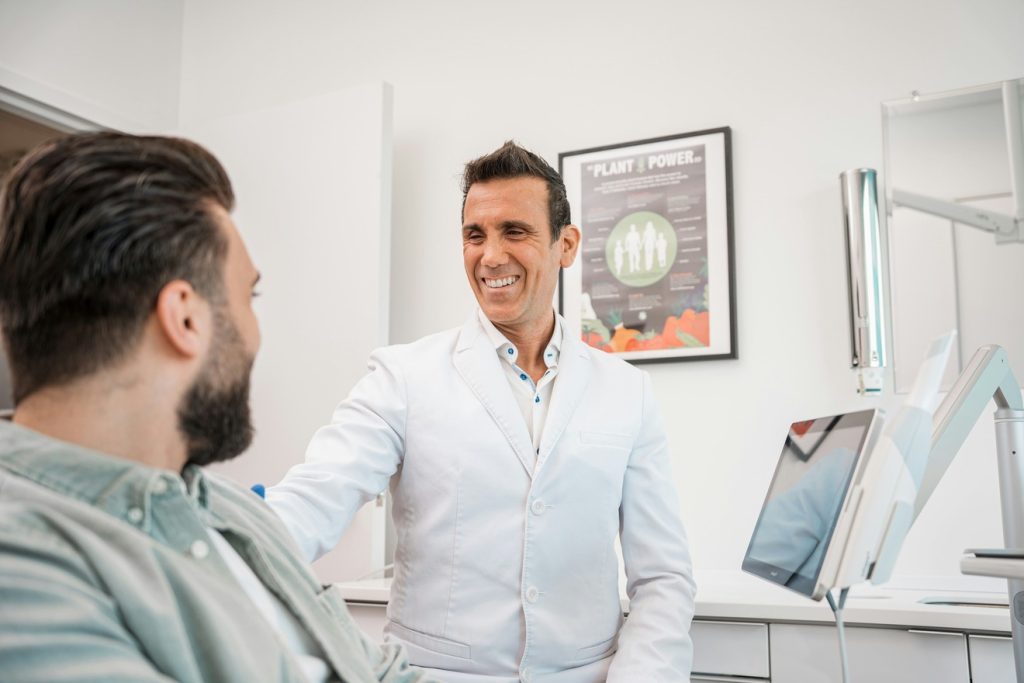
What role should patient organisations play in the humanisation of the National Health Service?
Just over twenty years ago, the so-called Barcelona Declaration of Patient Organisations (2003) – in which the Spanish Society for User Care (SEAUS) played an active role – highlighted the need to recognise patient organisations and associations as active stakeholders in health policy. In this regard, they have a key role to play in improving clinical and care relationships – a process known as humanisation – by fostering better communication and dialogue at all levels, between scientific societies and associations, public health authorities, patients and their families.
What initiatives has SEAUS launched to help make healthcare more patient-centred?
Since its inception and establishment as a multi-professional society, through various training activities and the different conferences and meetings it has organised, the Spanish Society for Healthcare User Care (SEAUS) has been promoting and fostering among professionals a more humanised culture of care, that is to say, one that is more respectful of the dignity and rights of patients and service users, taking into account their values and the context in which clinical and care relationships are formed.
In this regard, the XIV Simposio de la SEAUS, which will take place in October 2026 in Alcalá de Henares (Madrid), is centred on the patient experience through leadership, innovation and the humanisation of healthcare.
Article courtesy of Dr Rodrigo Gutiérrez Fernández, President of the Spanish Society for Healthcare User Care (SEAUS).

Categories :