























WATER AND LIFE

‘Water has unique physical and chemical properties that make it particularly well suited to supporting biological processes.’
Article courtesy of Dr. Juan Carlos Baquero Úbeda, Doctor of Mining Engineering. Hydrogeologist
What role has water played in the origin and evolution of life?
Liquid water is the central element that has enabled the origin, development and maintenance of life on Earth. Without it, the conditions necessary for the emergence of living organisms would not have existed.
Water possesses unique physical and chemical properties that make it particularly well-suited to supporting biological processes. For example, it acts as a universal solvent, allowing many chemical substances to mix and react with one another. This is key to the metabolic reactions that take place within cells.
Water in the human body
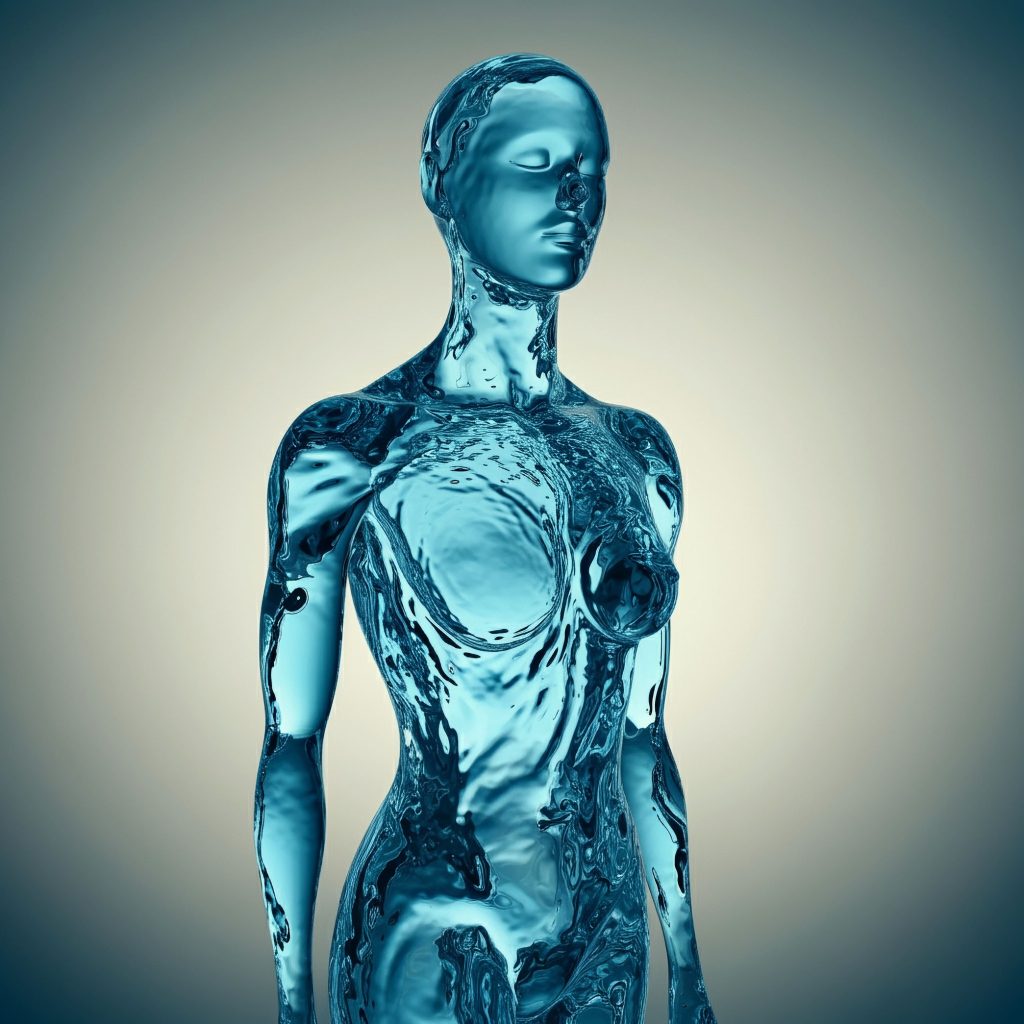
The human body is largely made up of water. Generally speaking, between 50 per cent and 70 per cent of our body weight is water, although this varies from person to person depending on factors such as age, gender and body fat composition.
Water is a component of virtually all bodily fluids, such as blood, saliva and intracellular fluid.
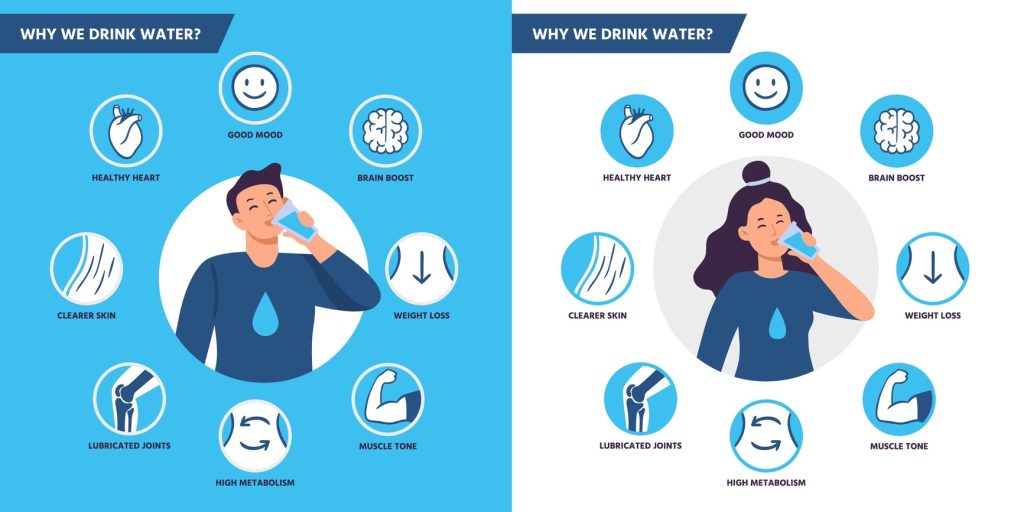
Water performs many essential functions in the body:
- It helps transport nutrients and oxygen to the cells.
- It helps remove metabolic waste products.
- It plays a part in numerous chemical reactions.
- It regulates body temperature.
- It lubricates joints and tissues.
Water is a structural and functional component of the human body.
How long can a human being survive without water?
Although the exact figure depends on factors such as temperature, physical activity and state of health, it is generally accepted that a person cannot survive for more than 3 to 5 days without drinking water. This is because the body continuously loses water through various processes: breathing, sweating, urination…
If these losses are not compensated for by fluid intake, the body enters a state of dehydration which can seriously affect the functioning of vital organs.
In extreme situations, dehydration can lead to kidney failure, circulatory problems and even death.
The sensation of thirst is regulated by our brain, which, upon detecting changes in the concentration of salts or the volume of fluids in the body, activates this physiological mechanism to encourage water intake.
Water is key to public health
Water is an indispensable resource for human life and for the functioning of ecosystems.
Although water is part of our everyday environment, we are often not fully aware of its value. Access to safe drinking water through processes such as chlorination has been one of the most important advances in human history, as it has drastically reduced the incidence of many diseases.
John Snow is regarded as one of the fathers of modern epidemiology. During a cholera epidemic in London in the 19th century, Snow demonstrated that the disease was transmitted via contaminated water from a public pump. By identifying the source of contamination and closing the water pump, he managed to halt the spread of the disease. This case is considered one of the earliest examples of data-driven epidemiological research.
However, the future also presents new challenges relating to water:
- Global population growth.
- Increased demand for water resources.
- Pollution of rivers and aquifers.
- The impact of climate change on rainfall.
These factors make it necessary to improve water management and promote the responsible use of this resource.
Water not only sustains life, but also determines the well-being and development of human societies.
Water and Joint Health
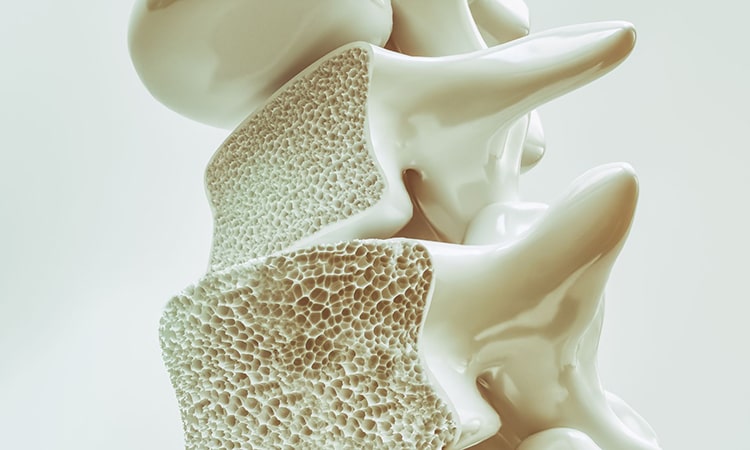
Hydration plays a vital role in osteoarticular health, as water is an essential component of articular cartilage, intervertebral discs and synovial fluid. Adequate hydration helps to maintain the biomechanical properties of cartilage, promotes joint lubrication and facilitates shock absorption during movement. Furthermore, water plays a role in the transport of nutrients and the removal of waste products from joint tissue – processes necessary to preserve its integrity and function.
Conversely, insufficient hydration can compromise the elasticity of cartilage, reduce the effectiveness of synovial fluid and contribute to the onset of stiffness, pain and functional limitations, particularly in older people or those with osteoarticular conditions. Therefore, maintaining an adequate water intake is a simple yet important measure for helping to maintain musculoskeletal function and joint health.
Overall conclusion
Water is much more than just an everyday resource. It is the element that made life possible, the main component of the human body, and an essential factor for public health and the development of civilisations. Despite its apparent abundance, the supply of fresh water is limited and requires responsible management.
Understanding the role of water in nature, in the human body and in society is essential to appreciating its importance and ensuring its availability for future generations.
Article courtesy of Dr. Juan Carlos Baquero Úbeda, Doctor of Mining Engineering. Hydrogeologist
From OAFI
From OAFI we continue to work to improve the management and quality of life of all those suffering from osteoarticular conditions, by providing accurate information, prevention programmes and health education, opportunities to take part in research studies, as well as initiatives aimed at supporting and empowering patients. We also invite you to join the OAFI Community.
If you would like further information or to get in touch with us, you can visit us in Barcelona (C/ Tuset, 19 · 3º 2ª), call us on 931 594 015, email us at info@oafifoundation.com or visit our website at www.oafifoundation.com
Photo by Senya Zhukavin on Unsplash