

























Heatwaves and joint health: how to protect your joints in hot weather
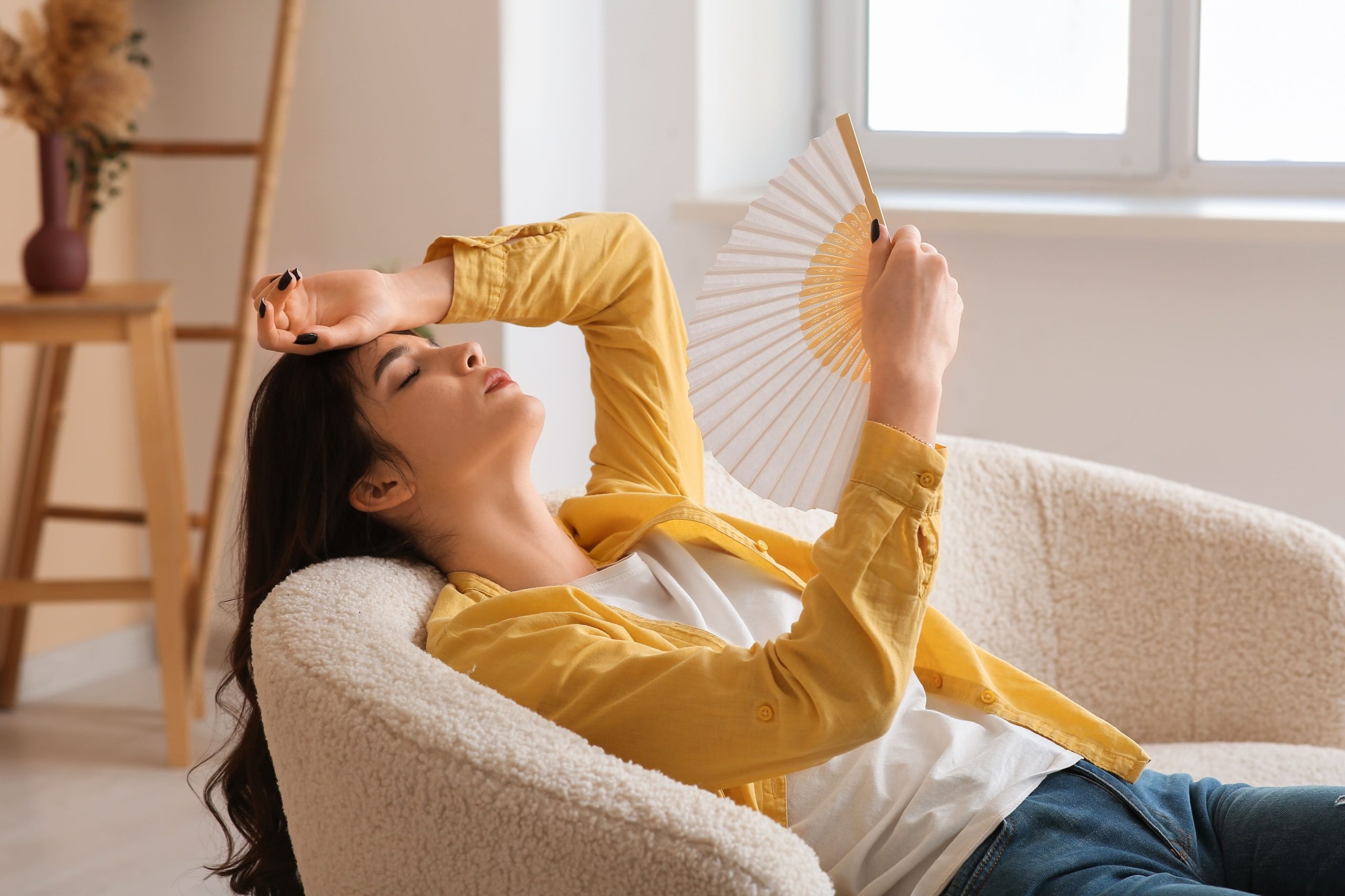
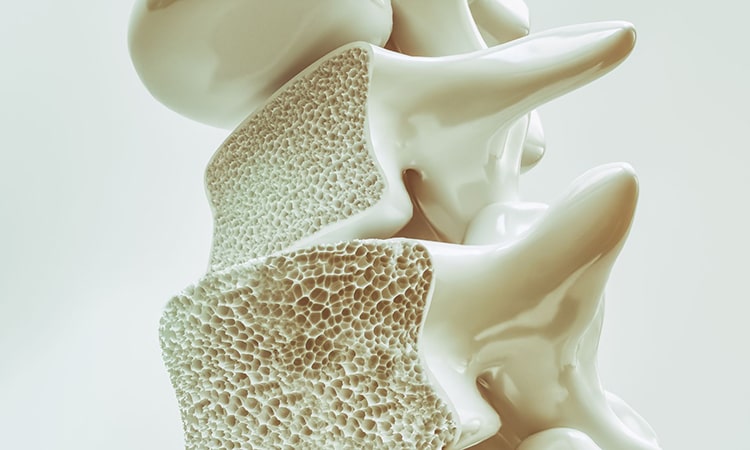
Heatwaves are becoming increasingly frequent and intense. As well as the risks of cardiovascular problems and dehydration, many people with osteoarthritis, osteoporosis or sarcopenia wonder whether high temperatures might make their symptoms worse. Heat can affect various factors that influence mobility, pain and quality of life. Understanding what happens and how to cope allows you to face the summer with greater confidence.
Does heat really make osteoarthritis worse?
There is no solid scientific evidence to show that heat, in itself, worsens the progression of osteoarthritis. However, during periods of extreme temperatures, our habits change: we walk less, avoid going out, sleep less well and lose more fluids. All these factors can increase feelings of tiredness, stiffness and pain. For this reason, many people feel that their joints are in a worse state.
Hydratation: much more than just drinking water
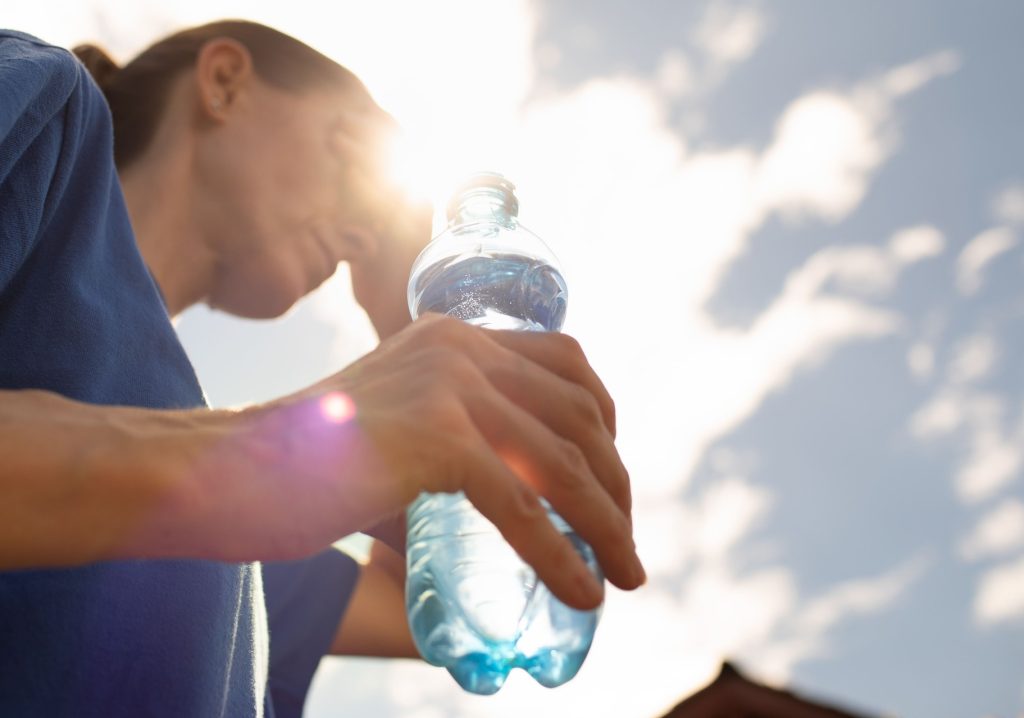
Approximately 5–20 per cent of older people are dehydrated or at risk of dehydration. Water plays a role in the functioning of muscles, tendons and joints. In hot weather, fluid loss through sweating increases, as does the risk of dehydration. In older people, this risk is even greater because the sensation of thirst diminishes with age.
It is advisable to drink water frequently, even before feeling thirsty, and to increase your intake if you are physically active. Water-rich fruit and vegetables, such as watermelon, melon, cucumber and tomatoes, also help to maintain good hydration. Medium-mineralised waters provide a moderate amount of minerals that help to replenish some of what is lost through sweating, without having a very high mineral content.
Don’t give up on exercise. Exercise remains one of the most effective treatments for osteoarthritis. Stopping physical activity for several days can lead to a loss of muscle strength and joint stiffness. The best strategy is to adapt your activity: walk first thing in the morning or at dusk, seek out shaded areas, exercise when the sun is not so strong, reduce the intensity when necessary, and make use of air-conditioned spaces or swimming pools if they are available.
Heat, muscles and balance
Muscles protect the joints. When heat causes fatigue or reduces physical activity, the muscles become less effective and the feeling of instability increases. This can increase the risk of falls, particularly in people with osteoporosis. It is still advisable to do simple strength and balance exercises two or three days a week during the summer.
A good night’s sleep also protects your joints
A lack of sleep increases fatigue and can make pain feel more intense. Keeping the bedroom cool, airing it at the right times and avoiding heavy meals or alcohol before bed can help improve the quality of your sleep.
Medicines and heat
Some treatments, such as certain diuretics, can lead to dehydration. They should never be stopped or altered without medical advice. If you experience dizziness, confusion, severe weakness or signs of heatstroke, it is important to seek medical attention as soon as possible.
Myths and realities
Myth: Heat wears down the joints. Fact: There is no scientific evidence to support this.
Myth: It is better to stop exercising in summer. Fact: You should adapt your exercise routine, not give it up altogether.
Myth: Drink when you feel thirsty. Fact: For many older people, the sensation of thirst sets in too late.
What science says
The recommendations of NICE (a UK public body that produces evidence-based guidelines on health and social care), the American College of Rheumatology and the World Health Organisation (WHO) all agree that physical exercise, muscle strengthening, weight management and patient education are fundamental pillars of the treatment of osteoarthritis. At the same time, the WHO and the health authorities remind us that heatwaves increase the risk of complications in older people and those with chronic conditions, which is why staying hydrated and taking preventative measures are essential.
What you can do starting today
• Drink water regularly.
• Avoid the middle of the day.
• Take part in physical activity suited to your abilities.
• Wear light, breathable clothing.
• Seek out cool or air-conditioned places.
• Include fruit and vegetables with a high water content in your diet.
• Get plenty of rest.
• Consult a healthcare professional if you experience symptoms of dehydration or a significant deterioration in your general condition.
Conclusion
Summer should not be a time of inactivity. With a few simple measures, it is possible to continue looking after your joints even during a heatwave. Staying well hydrated, adapting your exercise routine, ensuring you get enough rest and paying special attention to the most vulnerable people are all steps that help to maintain mobility and quality of life.
Frequently Asked Questions
Should I stop walking if it’s very hot?
No. It’s better to change the time of day and reduce the intensity.
Does heat damage cartilage?
There is no scientific evidence to support this.
What is the best drink?
Water remains the best choice for most people.
It’s best to avoid sugary and fizzy drinks.
Who should take extra precautions?
Older people, those with chronic illnesses or reduced mobility.
How can I recognise dehydration?
Obviously, if you feel thirsty. A dry mouth, reduced urine output, dark-coloured urine, confusion or dizziness. Another indicator is if a skin fold remains after pinching the skin on the back of the hand or forearm.
What is heatstroke?
It occurs when the body loses its ability to regulate its temperature and this rises to dangerous levels, which can cause damage to the brain and other organs.
References
- World Health Organization. Heat and Health.
- WHO Guidelines on Physical Activity and Sedentary Behaviour. 2020.
- NICE. Osteoarthritis in over 16s: diagnosis and management (NG226). 2022.
- Kolasinski SL et al. 2019 American College of Rheumatology/Arthritis Foundation Guideline for the Management of Osteoarthritis. Arthritis Rheumatology. 2020.
- Centers for Disease Control and Prevention. Heat and Health.
- Centers for Disease Control and Prevention. Physical Activity and Arthritis.